
In an era where wellness trends oscillate between ancient remedies and futuristic technologies, hyperbaric oxygen therapy (HBOT) has surged into the spotlight, straddling the worlds of medicine, sports recovery, and luxury skincare. Once confined to hospital settings for treating decompression sickness, hyperbaric chambers are now touted as a panacea for everything from chronic fatigue to wrinkles. But what lies beneath the hype? This article delves into the science, history, and evolving role of HBOT in health and beauty, separating fact from fad while envisioning its future in holistic wellness.
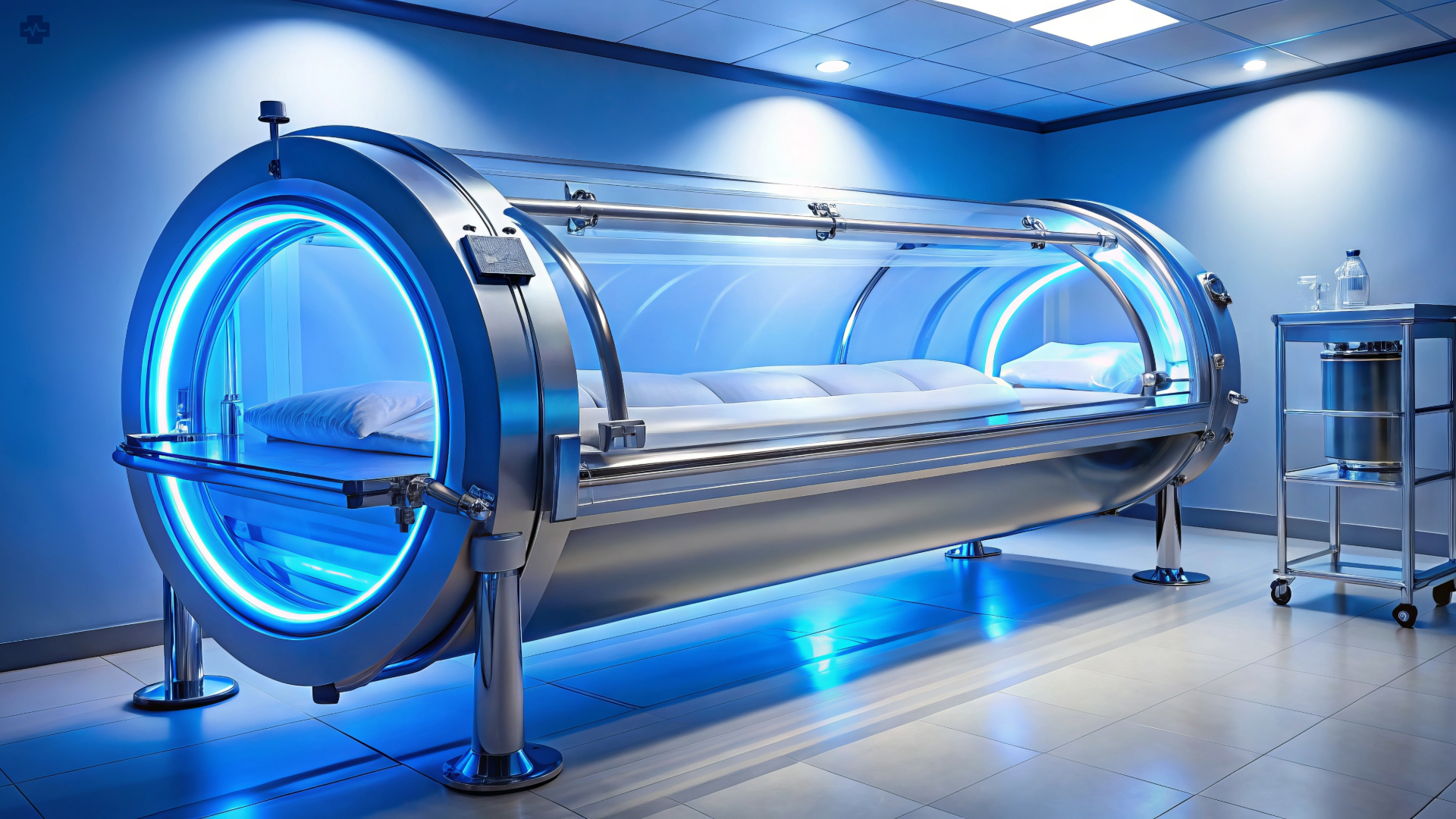
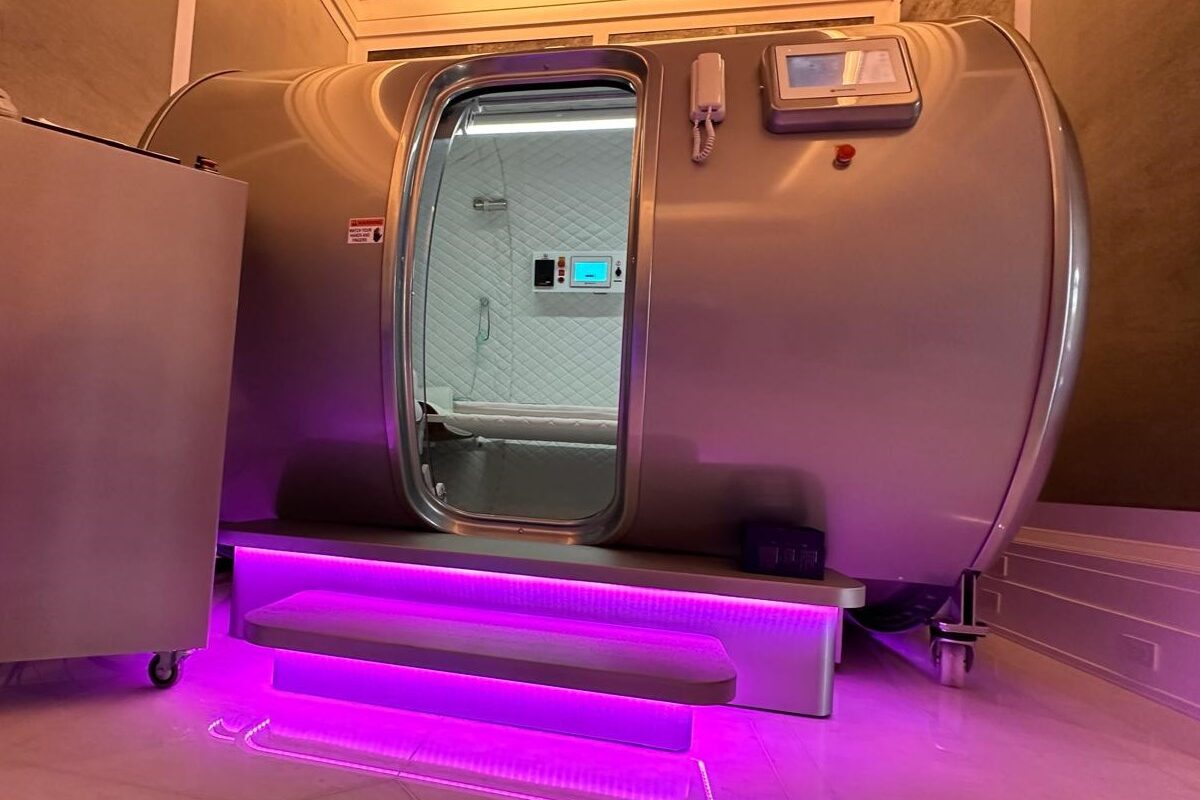
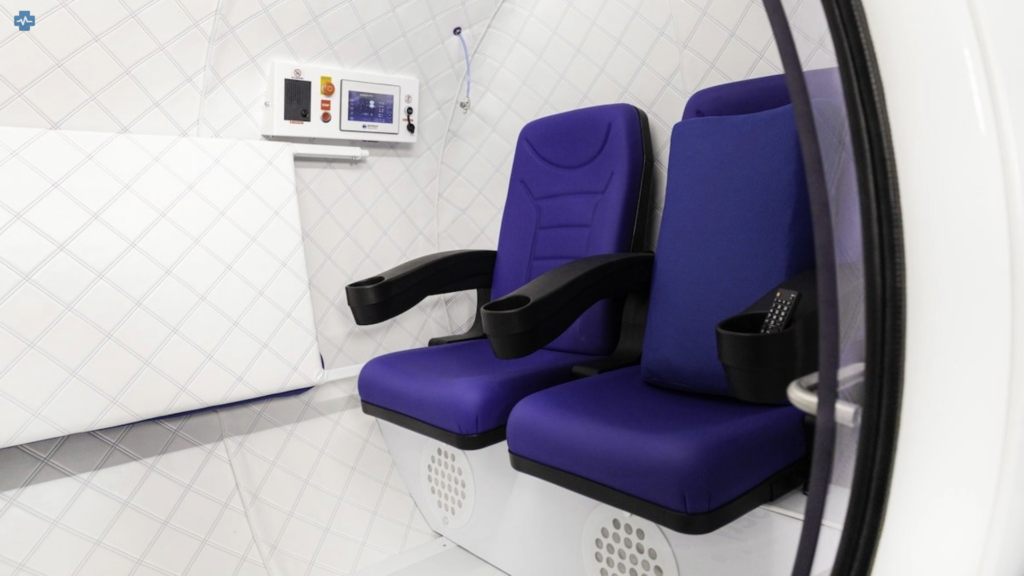
At its core, a hyperbaric chamber is a sealed, pressurised enclosure where patients breathe pure oxygen at pressures 1.5 to 3 times higher than atmospheric levels. This process, known as hyperbaric oxygen therapy, forces oxygen to dissolve into the bloodstream at concentrations far exceeding normal levels. Under pressure, oxygen molecules permeate plasma, lymph fluids, and even oxygen-deprived tissues, stimulating cellular repair and reducing inflammation.
Dr Sarah Mitchell, a hyperbaric medicine specialist at London’s Royal Free Hospital, explains: “HBOT floods the body with oxygen, which acts as a potent healing agent. It’s like giving your cells a turbocharged nutrient boost, enabling them to repair damage more efficiently.”
From Deep-Sea Divers To Dermatologists
HBOT’s origins trace back to the 1600s, when British physician Nathaniel Henshaw experimented with pressurised air to treat respiratory ailments. However, it wasn’t until the 20th century that HBOT gained medical legitimacy. During the 1940s, the US Navy used hyperbaric chambers to treat divers suffering from decompression sickness (“the bends”). By the 1960s, hospitals adopted HBOT for carbon monoxide poisoning and non-healing wounds, particularly in diabetic patients.
Today, HBOT has transcended its clinical roots. Wellness clinics and luxury spas now offer sessions alongside facials and massages, capitalising on claims that it rejuvenates skin, sharpens mental clarity, and even reverses ageing. This shift reflects a broader cultural obsession with longevity and optimisation, where advanced science meets aspirational self-care.
Oxygen As Medicine
HBOT’s most well-documented benefit lies in wound repair. By increasing oxygen delivery to damaged tissues, it stimulates collagen synthesis, angiogenesis (new blood vessel formation), and stem cell activation. A 2020 study in The Lancet found diabetic foot ulcers healed 75% faster with HBOT, reducing amputation risks. Athletes, too, are turning to chambers: after Tottenham Hotspur F.C. installed an HBOT unit in 2022, players reported shorter recovery times post-injury.
Chronic inflammation underpins ailments from arthritis to heart disease. HBOT’s anti-inflammatory effects are linked to reduced cytokine production and enhanced antioxidant activity. Emerging research suggests promise for conditions like fibromyalgia and long COVID. Dr Raj Patel, a rehabilitation specialist, notes: “We’ve seen HBOT improve fatigue and cognitive fog in post-COVID patients, likely by repairing microvascular damage in the brain.”
The therapy’s impact on brain health is particularly compelling. A 2021 Israeli study found HBOT improved memory and attention in stroke survivors by reactivating dormant neurons. While research on healthy individuals is limited, biohackers and CEOs swear by its ability to enhance focus, a claim that straddles science and speculation.
Beauty Reimagined: The Allure Of The “Oxygen Glow”
HBOT’s leap into aesthetics hinges on its purported anti-ageing effects. Celebrities like Madonna and Justin Bieber have reportedly used chambers to maintain their youthful glow, while London’s HARRODS Wellness Clinic now offers HBOT facials starting at £250 per session.
Oxygen is a key player in collagen production. By saturating skin cells, HBOT may reduce wrinkles and improve elasticity. A 2023 study in Dermatologic Surgery observed a 30% increase in collagen density after 10 HBOT sessions. However, critics argue similar results can be achieved with cheaper treatments like microneedling.
Proponents claim HBOT flushes toxins and reduces puffiness by enhancing lymphatic drainage. While evidence here is anecdotal, skincare experts like Dr Emma Davies acknowledge its niche appeal: “For clients seeking a holistic glow, HBOT complements topical treatments by addressing inflammation at the source.”
Risks And Realities: Navigating The Hype
HBOT isn’t without drawbacks. Side effects include barotrauma (ear or sinus pain), temporary myopia, and rare oxygen toxicity seizures. Moreover, its cost (£100–£500 per session in the UK)limits accessibility. Dr Mitchell cautions: “HBOT is a medical tool, not a spa luxury. Overuse without indication wastes resources and risks harm.”
Ethical concerns also loom. Some clinics peddle HBOT for unproven uses like autism or Alzheimer’s, despite regulatory warnings. The NHS currently covers HBOT for 14 conditions, including severe burns and radiation injuries, but private clinics operate in a grey area, capitalising on wellness trends.
The next frontier lies in democratising access. Companies like OxyHelp now market compact, at-home chambers for £15,000, a fraction of traditional models’ cost. Meanwhile, integrative clinics pair HBOT with IV drips and cryotherapy, framing oxygen as part of a “biohacking” toolkit.
In beauty, advances aim to localise oxygen delivery. The 2024 launch of “OxyGlow” masks (wearable devices mimicking HBOT’s skin effects) hints at a future where oxygen therapy is both targeted and affordable.
A Breath Of Cautious Optimism
Hyperbaric oxygen therapy embodies the duality of modern wellness: a medically validated tool repurposed for aspirational lifestyles. While its benefits for wound healing and inflammation are undeniable, beauty claims demand scrutiny.
For those considering HBOT, experts advise starting with a medical consultation, not an Instagram ad. As research evolves, HBOT may well become a staple of preventative health, but for now, it remains a potent yet nuanced ally in the quest for vitality. In the words of Dr Patel: “Oxygen is life, but it’s not a magic bullet. Respect the science, and the results will follow.”