
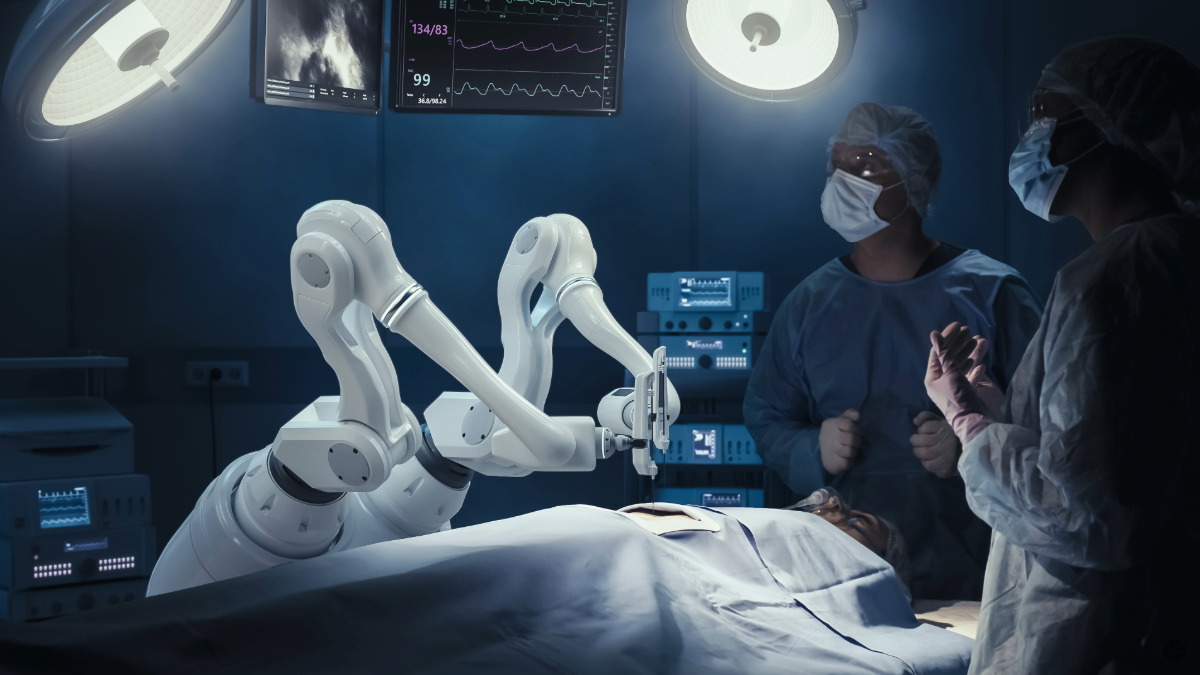
The NHS is undergoing a quiet revolution, one defined by robotic arms, ultra-precise surgical instruments, and a dramatic shift in how complex procedures are performed. In just over a decade, robotic-assisted surgeries have surged from 6 600 in 2014 to an astonishing 70 000 in 2024. This year, 2025, new players and cutting-edge platforms have entered the field.
This exponential growth has positioned the United Kingdom as a global leader in the use of surgical robotics, with more hospitals adopting these systems to improve patient outcomes and reduce surgical strain on the system.
The expansion is not merely a matter of increased volume but also one of strategic transformation. Leading hospitals such as Chelsea and Westminster, Guy’s and St Thomas’, and Manchester Royal Infirmary are investing in advanced robotic platforms to deliver faster, safer, and more precise care.
As the NHS contends with rising demand and persistent surgical backlogs, robotic-assisted procedures are emerging as a vital solution with the potential to transform the entire patient care experience.
The Da Vinci Xi Evolves: 2025 Upgrades for Smart Surgery
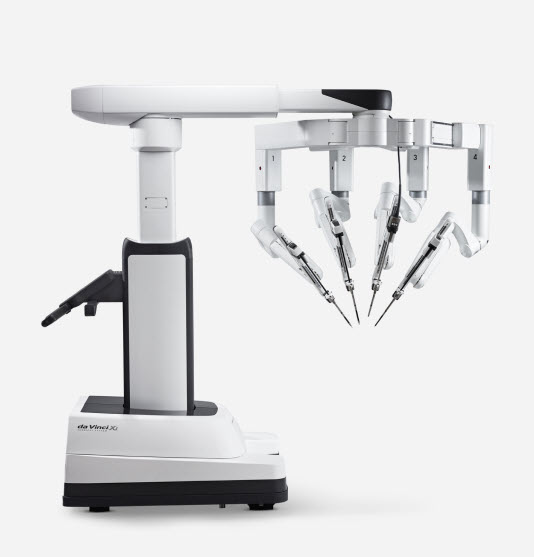
At the heart of this movement remains the Da Vinci Xi surgical system by Intuitive Surgical, which has seen significant enhancements in 2025 that push robotic surgery into a new realm of capability.
This year, NHS hospitals are deploying the latest Da Vinci software suite featuring real-time AI-powered motion guidance, augmented reality overlays for anatomy mapping, and predictive tissue analytics.
These features assist surgeons during live procedures by highlighting risk zones, optimising suture paths, and even warning against excessive tension on surrounding tissue; all in real time.
Additionally, the 2025 Da Vinci Xi model now offers adaptive instrument calibration, allowing the robotic arms to adjust pressure and range dynamically based on patient-specific factors, reducing trauma in sensitive procedures. This innovation has proven particularly useful in robotic colorectal and paediatric urological surgeries, where millimetre-level precision can mean the difference between fast recovery and long-term complications.
While Da Vinci continues to dominate the NHS’s robotic theatre, 2025 has also brought broader market diversity. Platforms like the Versius Surgical Robotic System by CMR Surgical, Hugo RAS by Medtronic, and Senhance by Asensus Surgical are carving out roles in hospitals with varying infrastructure and surgical needs.
Versius, known for its compact modularity, is increasingly used for day surgeries in regional centres. Hugo’s cloud-based analytics platform is being adopted by NHS trusts eager to centralise surgical data. Meanwhile, Senhance allows for ultra-fine microsurgical applications, for paediatric and ophthalmic uses, among others.
This diversification allows hospitals to align specific systems with procedural volume, staff expertise, and patient demographics.
Benefits That Reach Beyond the Operating Room
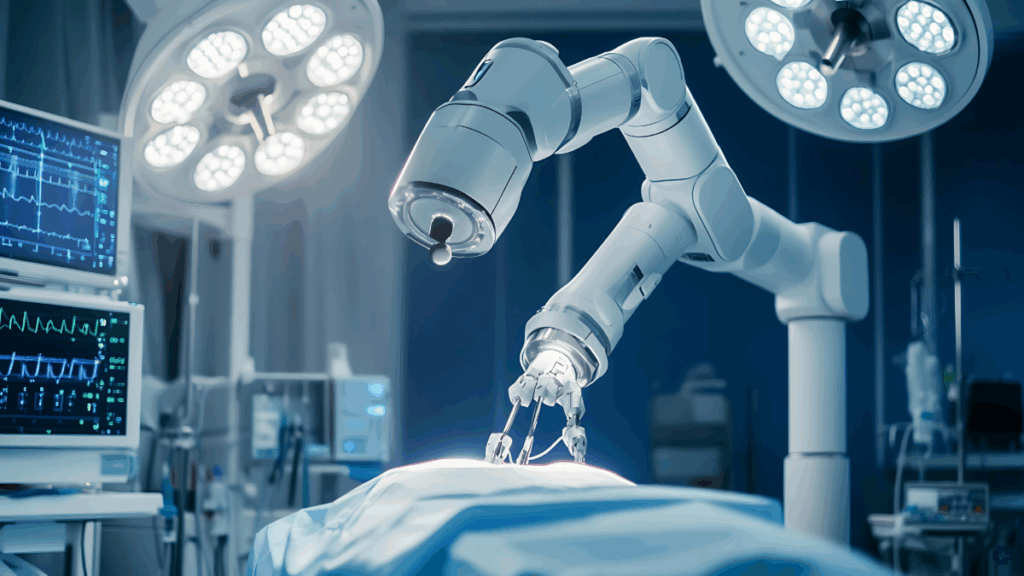
The benefits of robotic-assisted surgery extend well beyond the surgical theatre. With robotic systems, average operation times have decreased by 20% in certain specialties since 2023. This translates into shorter hospital stays and faster patient recoveries.
Moreover, NHS Trusts report a growing number of surgeons extending their careers due to improved ergonomics and reduced fatigue in robotic operating environments. Enhanced consistency and reduced complications are also helping hospitals make headway on critical surgical backlogs, especially in cancer care.
The Da Vinci Xi and its upgraded features are technological marvels. The robotic system now incorporates automatic lens cleaning, voice-activated controls, and AI-driven anatomical landmark detection.
Some NHS pilot programmes are exploring telesurgery collaborations, where specialist surgeons in one trust can assist or oversee complex procedures in another, thanks to a networking infrastructure launched earlier this year.
Meanwhile, surgical trainees are being equipped and trained to master these complex systems before entering the operating room.
Robotics, AI & the Next Frontier in NHS Surgery
The NHS is already preparing for the next wave of robotic innovation. Partnerships with UK-based health-tech firms are also growing. Several 2025 NHS Innovation Accelerator grants were awarded to teams working on robotic orthopaedics platforms, as well as smart robotic neurosurgery assistants which can stabilise and adapt during intracranial procedures.
As such, robotic surgery is no longer a futuristic concept. It has become a rapidly advancing pillar of NHS surgical care. With the 2025 evolution of systems like the Da Vinci Xi, the NHS is not just keeping pace with global innovation. Rather, it is helping define it.