
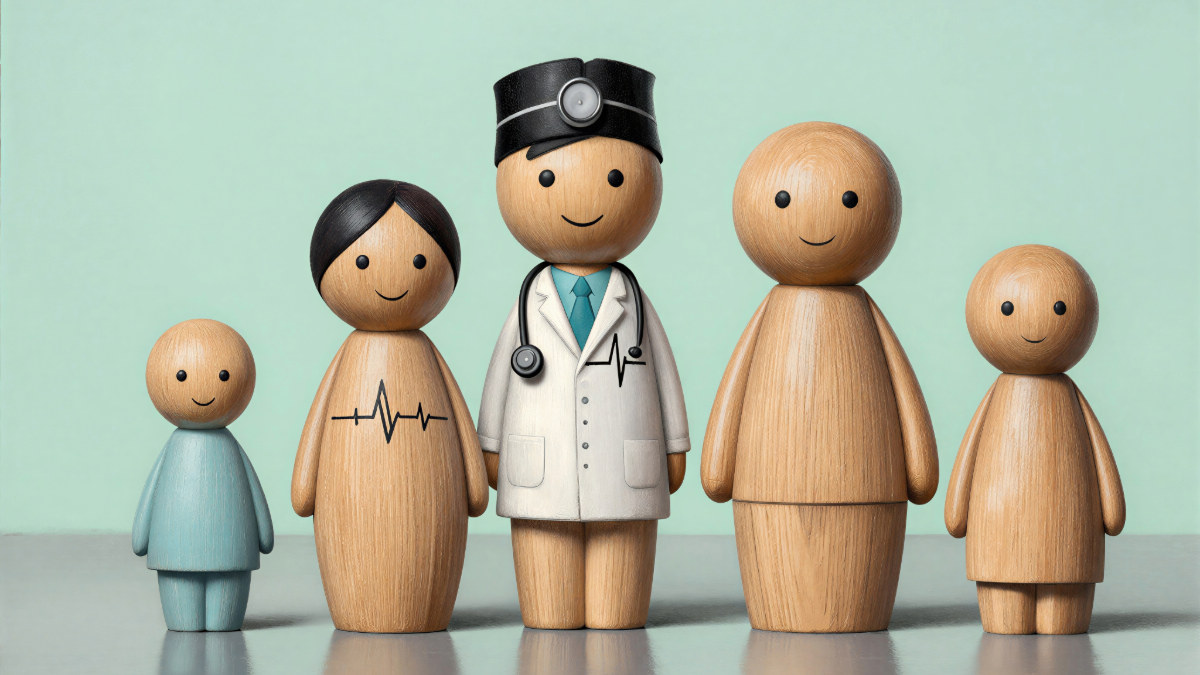
From what I have read in news articles these past few weeks, there has been a notable global increase in mental health issues affecting the youth.
To give an example, hospitals across the Midwest of the United States are reporting a significant increase in paediatric mental health emergencies. Some facilities have noted a 25 percent increase over the past year, according to breaking news headlines across prominent news sites. Anxiety and depression have been identified as the most common diagnoses making up these results.
Interestingly, among the main culprits responsible for this rise of mental health problems are the aftermath of prolonged isolation during the Covid-19 pandemic, and digital media.
Many parents have been concerned about the impact of social media and the online environment on their children. The findings in the news confirm that such concerns are valid.
As a mom, I find these statistics to be quite sobering. When I was a child, ‘playing on the computer’ meant Marios Bros or Tetris. While we enjoyed playing games, our focus remained on what was happening around us, and on the world beyond the computer.
If you wanted to connect with a friend, you took a thick phone directory and paged through an index of surnames and street addresses, until you found the right phone number. If you wanted information, you went to a library. If you wanted to find out something about a person, you picked up the phone and asked them. There was no Facebook or social media.
As an adult I often feel overwhelmed by all of the information online. It seems to come from all directions. You can feel swamped just trying to keep up with it. I should imagine for a young person, who is still developing a sense of the world and of self, this can seem intimidating and create unnecessary pressure.
Then there is the terrible impact which pandemic restrictions had on so many people. I can still remember when it was time for my son to go to school after the school holidays. He was so excited to return but I had to explain to him that us logging onto Microsoft Teams was how he was going to be going to school for a little while. His little shoulders slumped and he asked why this was and for how long it was going to be that way.
Four months later and we were still in lockdown.
Increased Stressors Experienced By Youth
The Centres for Disease Control and Prevention (CDC) has shown that emergency department visits for mental health conditions among children aged 5 to 17 rose by approximately 23 percent nationwide between 2024 and 2025.
While the Midwest shows slightly higher growth than other regions, urban centres in the Northeast and West Coast have reported similar increases.
Dr. Lisa Carter, a pediatric psychiatrist at the University of Chicago Medical Centre, has explained: “The spike we are seeing in the Midwest mirrors national trends. Across the country, children are presenting with higher levels of anxiety, depression, and acute stress than before the pandemic.”
A study published in the Journal of Adolescent Health in March 2026 found that children who experienced more than six months of pandemic-related social restrictions were 40 percent more likely to develop clinically significant anxiety or depressive symptoms.
Again, social media has been highlighted as a key contributor. Dr. Michael Thompson, a child psychologist in Minneapolis, emphasised the role of online pressures: “Social media amplifies real-world stressors. Children are comparing themselves constantly to curated images and experiences, which can exacerbate anxiety and depressive tendencies.”
UK Experiences Similar Trends
This pattern is not confined to the United States. The United Kingdom is reporting parallel trends, suggesting a broader, international phenomenon. NHS Digital data from England indicates that emergency department visits for mental health concerns in children and adolescents increased by roughly 22 percent between 2024 and 2025.
In Scotland, NHS Scotland reported a 24 percent rise in urgent mental health referrals for children aged 5 to 17 over the same period. The National Health Service has highlighted anxiety, depression, and self-harm as the most common presenting issues.
Dr. Emily Roberts, a consultant child and adolescent psychiatrist in London, noted, “We are seeing the same pressures here that colleagues in the US describe. Children and adolescents are struggling with the aftereffects of pandemic-related disruption, alongside pressures from social media and academic expectations. Families are reaching a breaking point, and emergency services are often the first place they turn for help.”
Prolonged Pandemic Isolation Caused Marked Impact
Social isolation has had a profound impact on youth, particularly in recent years with extended periods of remote learning, lockdowns, and reduced social interactions.
Children and adolescents rely on peer connections for emotional support, identity formation, and social skill development, and when these connections are disrupted, feelings of loneliness, anxiety, and depression can intensify.
Prolonged isolation can also exacerbate academic stress, reduce motivation, and limit opportunities for extracurricular engagement, which are crucial for building confidence and resilience.
Mental health professionals note that young people who experience extended social isolation are more likely to struggle with emotional regulation and may develop heightened sensitivity to rejection or social anxiety. The lack of casual, everyday social interactions, like chatting with friends during breaks or participating in team activities, can hinder the development of coping mechanisms and interpersonal skills, creating a ripple effect that may persist even after isolation ends.
As a result, addressing the emotional and social consequences of isolation has become a priority for parents, educators, and mental health providers aiming to support youth in regaining a sense of connection and well-being.
Digital Media Use Highlighted As Key Contributor
In both countries, digital media use is a common factor. According to a 2026 survey by Ofcom, 61 percent of UK adolescents report feeling stress from social media, while 52 percent acknowledge that online interactions affect their mood negatively.
The rise of digital media has had a profound impact on adolescent mental health, shaping both emotional development and social interactions. On one hand, platforms such as social media, online gaming, and messaging apps offer opportunities for connection, self-expression, and learning. Adolescents can maintain friendships across distances, access supportive communities, and explore identities in ways previously unavailable.
However, research increasingly highlights significant risks. Studies have linked excessive screen time and frequent social media use with higher rates of anxiety, depression, and poor sleep among teenagers. Constant exposure to idealised images and curated content can intensify feelings of inadequacy, lower self-esteem, and contribute to social comparison. Cyberbullying and online harassment further exacerbate stress, sometimes leading to long-term emotional trauma.
Experts stress that the impact varies depending on the quality of engagement, family support, and individual vulnerability. Digital media is not inherently harmful, but unchecked usage, lack of guidance, and overreliance on online validation can negatively affect mental health.
Psychologists recommend balanced screen time, open communication, and promoting offline activities to mitigate risks while allowing adolescents to benefit from the opportunities digital media provides.
Prevention Is Better Than Cure
Prevention is always better than cure, including in issues related to mental health.
The surge in paediatric mental health emergencies in both the Midwest and the UK highlights a shared international challenge. Experts point to post-pandemic trauma, social pressures amplified by digital media, economic stressors, and disrupted routines as common underlying drivers.
Dr. Carter summarised, “Whether in the United States or the United Kingdom, children are navigating a complex, high-pressure environment. Emergency departments are the safety net, but they are not a substitute for consistent, preventative care.”
Experts emphasise early identification of warning signs, school-based mental health programmes, parental support, and fostering open communication.
Today’s world has presented children with challenges we couldn’t have imagined when we were their age. Still, knowing that children are being negatively impacted by technological changes and life stressors, we can begin to take the necessary steps to guide them and inform them about making right decisions and setting healthy boundaries. These skills can set them up for success and mental health into adulthood.