
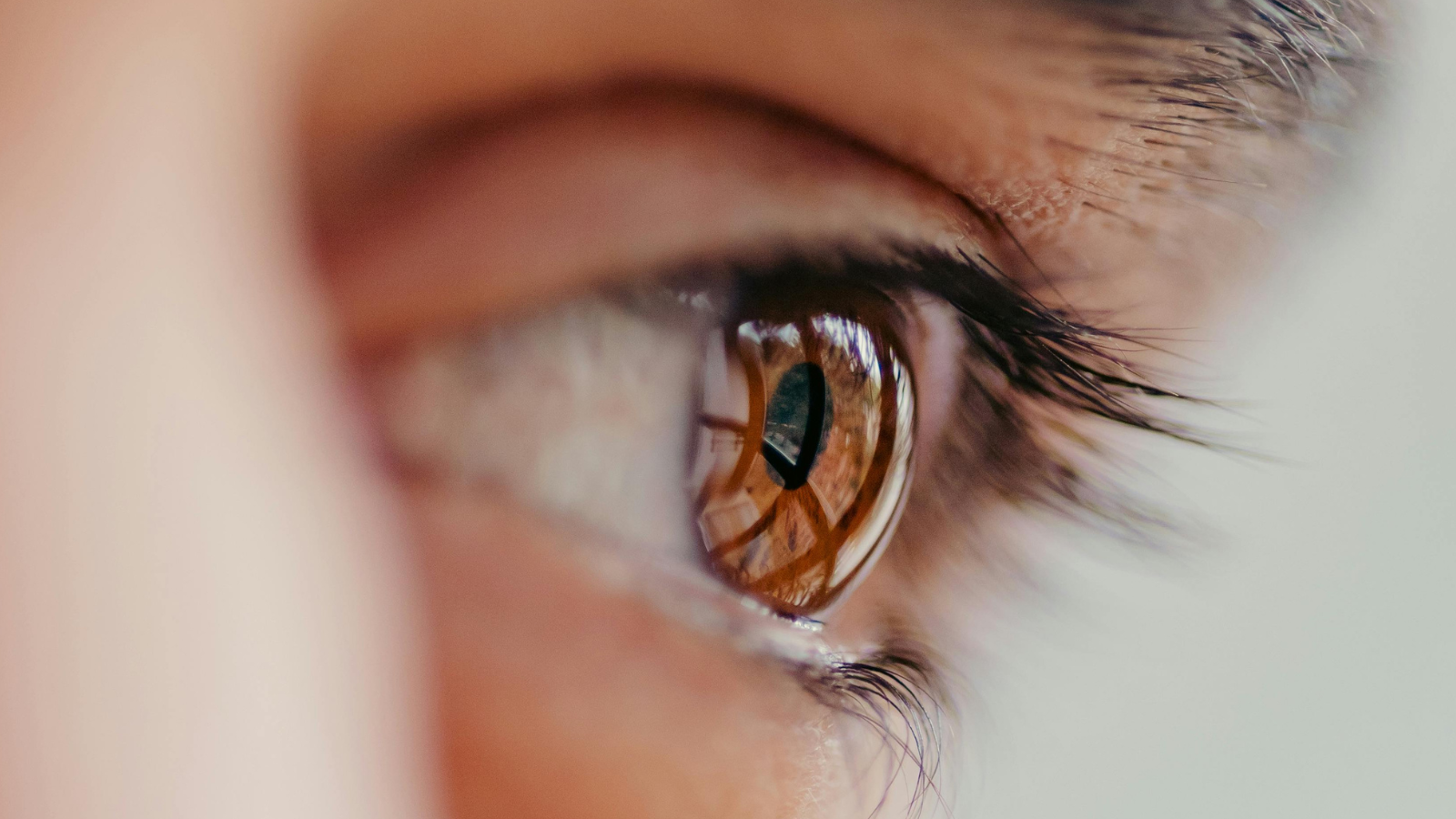
Regulators of the Wegovy weight loss drug have highlighted a rare risk of ‘eye stroke’. They say a rare eye-related side effect may affect up to 1 in 10 000 users taking semaglutide drugs, such as Wegovy, Ozempic and Rybelsus.
An article on MSN news reads: “While Wegovy has become well known for helping people lose weight, researchers are continuing to study its possible side effects. Now, a new study has linked high dosage use of Wegovy to a rare eye condition.”
This and other reports say that growing US data is intensifying calls for closer long-term monitoring of the blockbuster GLP-1 weight-loss drug. At the time of writing, three UK reports of this side effect have been officially recorded.
It is alleged that semaglutide medications might be linked to a rare optic nerve condition known as NAION or non-arteritic anterior ischemic optic neuropathy. The condition is sometimes referred to as an ‘eye stroke’.’ Essentially, the condition can cause sudden and potentially permanent blindness, usually in one eye.
The Medicines and Healthcare Products Regulatory Agency said only three spontaneous reports suggestive of NAION linked to semaglutide had been received up to August 2025, despite an estimated 10.2 million packs of semaglutide being dispensed over the previous five years.
In the US, researchers analysing FDA adverse-event data identified 28 reported cases linked specifically to Wegovy and 47 linked to Ozempic between 2017 and 2024. While experts stress the numbers remain extremely small compared with the millions of people using the drugs, the findings have triggered intense discussion across medical circles because of the explosive global growth of GLP-1 medications.
The latest concern centres on a study published in the British Journal of Ophthalmology, which found Wegovy appeared to show the strongest statistical association with ischemic optic neuropathy among the semaglutide formulations. Researchers suggested patients using Wegovy could face a significantly higher risk than those using Ozempic, possibly because Wegovy is prescribed at higher doses for obesity treatment.
What Is NAION?
NAION occurs when blood flow to the optic nerve becomes reduced, damaging the nerve tissue responsible for carrying visual signals from the eye to the brain. The condition typically develops suddenly and painlessly, often presenting as blurred, shadowed or partially lost vision in one eye. In some cases, the vision loss can become permanent.
Although ophthalmologists sometimes refer to the condition as an ‘eye stroke’, specialists emphasise that it differs from a conventional stroke affecting the brain. However, the underlying principle is similar in that reduced blood supply leads to tissue injury.
Why Concerns Have Been Raised
Wegovy and Ozempic have transformed obesity and diabetes treatment, delivering dramatic weight loss and improved metabolic outcomes for many patients.
However, these recent findings concerning ‘eye stroke’ have caused many researchers to ask necessary questions. These questions mainly centre around how extensively the long-term effects of GLP-1 drugs have been studied.
Semaglutide has also shown benefits in reducing cardiovascular risk, helping fuel extraordinary demand worldwide.
Yet as use expands into millions of otherwise relatively healthy people seeking weight reduction, regulators are increasingly focused on rare complications which may only emerge after widespread use and over time.
The European Medicines Agency’s Pharmacovigilance Risk Assessment Committee reviewed available evidence last year and concluded that NAION should be added to semaglutide product information as a very rare side effect. The World Health Organisation (WHO) subsequently issued a medical product alert advising healthcare professionals to monitor for sudden visual symptoms among semaglutide users.
According to the EMA review, adults with type 2 diabetes taking semaglutide may face roughly double the relative risk of developing NAION compared with people not taking the medication. However, experts caution that ‘double the risk’ can sound more alarming than the actual numbers involved. This is because NAION is already extremely uncommon, even doubling the risk still results in very low overall incidence.
Importantly, researchers still cannot conclusively prove the medication directly causes the condition.
Side Effects Which Emerged Only Years Later
The world of medicine is full of examples where drugs were initially considered safe, only for serious long-term or rare complications to emerge years later once millions of people had taken them.
This is exactly why the recent concern around Wegovy and possible links to NAION (non-arteritic anterior ischemic optic neuropathy, sometimes called an “eye stroke”) is attracting so much attention. Still, it should be highlighted that the incidence of NAION is extremely rare and that it has not yet been proven that the drug in question is linked with the formation of eye strokes.
Some notable historical examples:
Thalidomide (1950s–1960s)
Thalidomide became one of the most infamous drug safety disasters in history. It was widely prescribed to pregnant women for morning sickness before doctors realised it caused devastating birth defects. The tragedy fundamentally changed global drug regulation and led to stricter testing requirements.
Vioxx
Vioxx was marketed as a safer painkiller because it caused fewer stomach ulcers than older NSAIDs. But years after approval, evidence accumulated showing increased risks of heart attacks and strokes, especially with prolonged use. It was eventually withdrawn in 2004 after estimates suggested tens of thousands of cardiovascular events may have been linked to it.
Hormone Replacement Therapy (HRT)
For years, long-term hormone therapy was believed to broadly protect post-menopausal women from heart disease. Then large studies, such as the Women’s Health Initiative, found certain forms of long-term HRT increased risks of stroke, blood clots, and some cancers in specific groups. The medical consensus shifted dramatically.
Certain antipsychotics and metabolic disease
Second-generation antipsychotic drugs such as Olanzapine were initially welcomed as breakthroughs with fewer neurological side effects. Over time, clinicians realised some patients developed substantial weight gain, diabetes, and metabolic syndrome after prolonged use.
With GLP-1 drugs like Wegovy and Ozempic, tens of millions of people may eventually use them for years or decades. Even a ‘rare’ side effect can therefore become medically significant.