
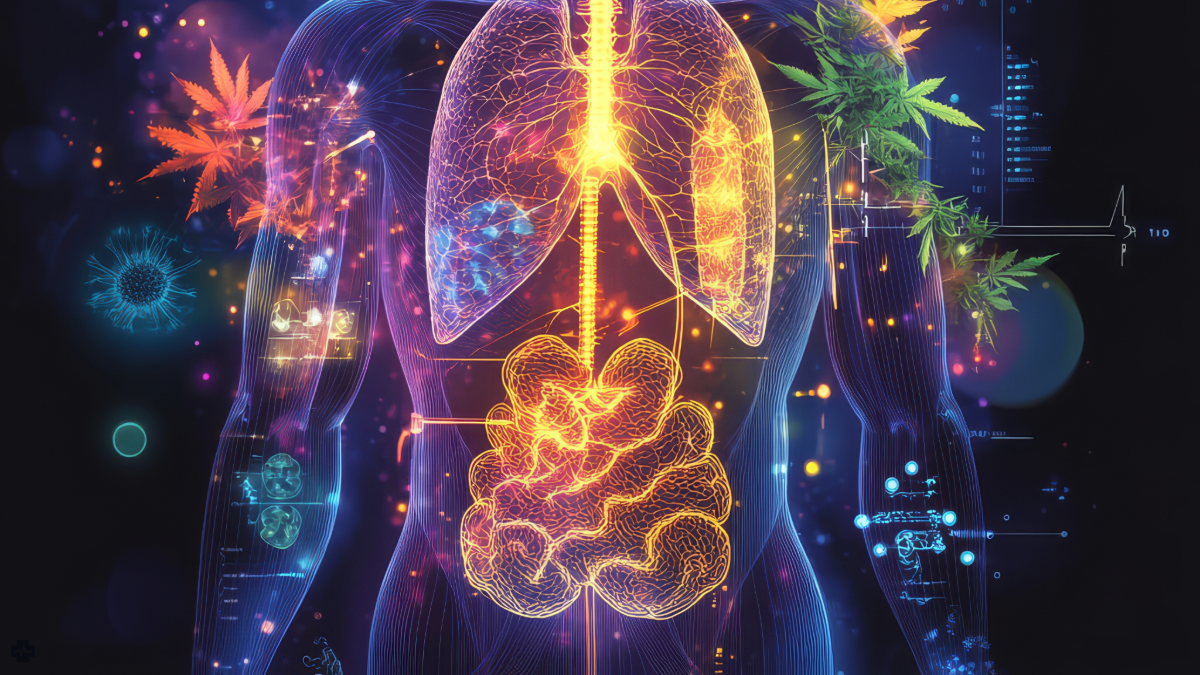
Gut health has become one of the hottest topics in health and wellness lately. But why is it generating so much buzz?
Your gut is home to trillions of bacteria, fungi, and other microbes. Collectively, these are called the gut microbiome.These microbes play a vital role in digesting food, producing vitamins (like B12 and K), regulating immune function and affecting mood and brain health (through the ‘gut-brain axis’).
Medical professionals have discovered that roughly 70 percent of your immune system lives in your gut. For this reason, a healthy microbiome can make you more resilient to illness. The opposite is also true. A disrupted microbiome might increase your risk for autoimmune diseases or frequent infections.
In fact, new research is constantly uncovering links between the gut and nearly every system in the body.
Your Body’s ‘Second Brain’
The gut’s role in the body is so pivotal that it has been called a ‘second brain’. Scientists say that if you had to cut the nerve connecting the gut and the brain, the gut would still be able to function. This is because the gut produces its own neurotransmitters. These neurotransmitters affect both behavior and mood.
Incredibly, there are more than 100 million brain cells in your gut and your gut has its own nervous system. In addition, most of your body’s serotonin is found in your gut. This is a neurotransmitter which impacts sleep and mood.
The gut is often considered the root of many conditions. This is because of its deep connection to nearly every system in the body.
First and foremost, it controls digestion and nutrient absorption, meaning that if your gut isn’t functioning well, your body may struggle to absorb essential vitamins, minerals, and amino acids. This can lead to fatigue, low immunity, and mood issues.
The gut also communicates constantly with the brain through the vagus nerve, a relationship known as the gut-brain axis. An imbalanced gut (called dysbiosis) can contribute to anxiety, depression, brain fog, and sleep disturbances; especially considering that most of your serotonin, a key mood-regulating neurotransmitter, is produced in the gut.
Furthermore, 70 to 80 percent of the immune system resides in the gut, so maintaining gut health is crucial for defending against infections, reducing chronic inflammation, and lowering the risk of autoimmune disorders. When the gut is inflamed, that inflammation can impact the entire body, potentially causing joint pain, skin issues like eczema or acne, hormonal imbalances, and metabolic disorders, such as obesity or diabetes.
Poor gut health can even show up in subtle ways, including skin rashes, headaches, bloating, food sensitivities, or low energy.
Ways to Ensure a Healthy Gut

A healthy gut lays the foundation for strong immunity, stable mood, balanced hormones, and overall wellness. It’s not the only factor in health, but it’s undoubtedly one of the most important.
Modern diets high in ultra-processed foods, sugar, and antibiotics can harm gut bacteria. This in turn can cause a range of conditions and unpleasant symptoms and side-effects. Some of these include obesity, Type 2 diabetes, heart disease, certain cancers (like bowel cancer) and inflammatory bowel diseases (like Crohn’s and ulcerative colitis).
Eat a diverse range of foods. Include different fruits, vegetables, whole grains, legumes, and fermented foods in your diet to boost your gut health. Research has shown that a varied diet helps grow a diverse microbiome, which is linked to better overall health.
Add more fibre. Fibre feeds your beneficial gut bacteria. Great sources of fibre to strengthen gut health include oats, beans, lentils, berries, and broccoli.
Include fermented foods. Fermented foods naturally contain probiotics which can boost gut health. Examples of these foods are yogurt (with live cultures), kefir, sauerkraut, kimchi, miso and kombucha.
Limit sugar and artificial sweeteners. High sugar and artificial sweeteners can disrupt the balance of gut bacteria. Aim for natural sweeteners (like honey or dates), in moderation.
Manage Stress Levels. Chronic stress negatively impacts your gut. Try stress-relieving activities like meditation, deep breathing, exercise, journaling and sleep hygiene.
Stay hydrated because water helps your digestive system function smoothly and supports the lining of the intestines.
Avoid unnecessary antibiotics. While antibiotics are sometimes necessary, they can wipe out good bacteria too. Only use them when prescribed and take probiotics afterward to help recovery.
Onwards, To Better Gut Health
Having studied the facts, it’s easy to understand why gut health has been taking centre stage. It seems this is more than just a passing fad and something every person should pay attention to. The old adage holds true: ‘Listen to your gut’.