In recent years, social media platforms, particularly TikTok, have become influential in shaping public perceptions of healthcare. The rise of celebrity doctors and TikTok GPs has introduced a new dynamic in how medical information is disseminated and consumed in the UK.
While this trend has democratised health knowledge and increased accessibility, it has also raised concerns about the accuracy of medical advice and its impact on patients’ trust in traditional healthcare systems.
Impact on Public Trust in Healthcare
The influence of social media on healthcare has had a dual effect on public trust. On one hand, the accessibility of information has empowered individuals to take charge of their health. On the other hand, the proliferation of unverified content has led to confusion and skepticism.
A study revealed that 80% of individuals view health and sexual health advice on social media, with 16% engaging with it regularly. Despite this high engagement, only 43% of users believe the content they encounter is accurate, indicating a significant gap in trust .
Furthermore, 43% of physicians express concern that TikTok spreads misinformation about treatments, highlighting the challenges in ensuring the reliability of health information on social media platforms .
The Role of TikTok’s Clinician Creator Network
In response to these concerns, TikTok launched the UK Clinician Creator Network. Comprised of 19 verified clinicians, including GPs, surgeons, and mental health experts, the network aims to provide users with reliable, science-based health advice in a format that’s accessible and engaging.
These clinicians create short videos covering topics such as reproductive health, mental wellbeing, vaccinations, and chronic illness management, reaching millions of users who may not engage with traditional health services. Since its launch, the network has been instrumental in boosting the visibility of credible health voices on TikTok, helping to bridge the gap between young audiences and professional medical guidance.
One of its key successes is the ability to counter viral myths in real-time, by using the same tools as influencers, but with clinical expertise. The initiative reflects a growing recognition of the role social media plays in public health education and the need to ensure it is grounded in evidence, not entertainment alone.
Despite the benefits, the integration of social media into healthcare communication presents several challenges. The oversimplification of complex medical information for the sake of engagement can lead to misinterpretation and potential harm.
Additionally, the lack of regulation and oversight on platforms like TikTok raises ethical concerns regarding patient privacy and the dissemination of medical advice.
Physicians have expressed apprehension about the erosion of professional credibility due to the informal nature of social media interactions. The line between professional medical advice and personal opinions can become blurred, complicating the public’s ability to discern credible sources .
Concerns Around Online Medical Influencers
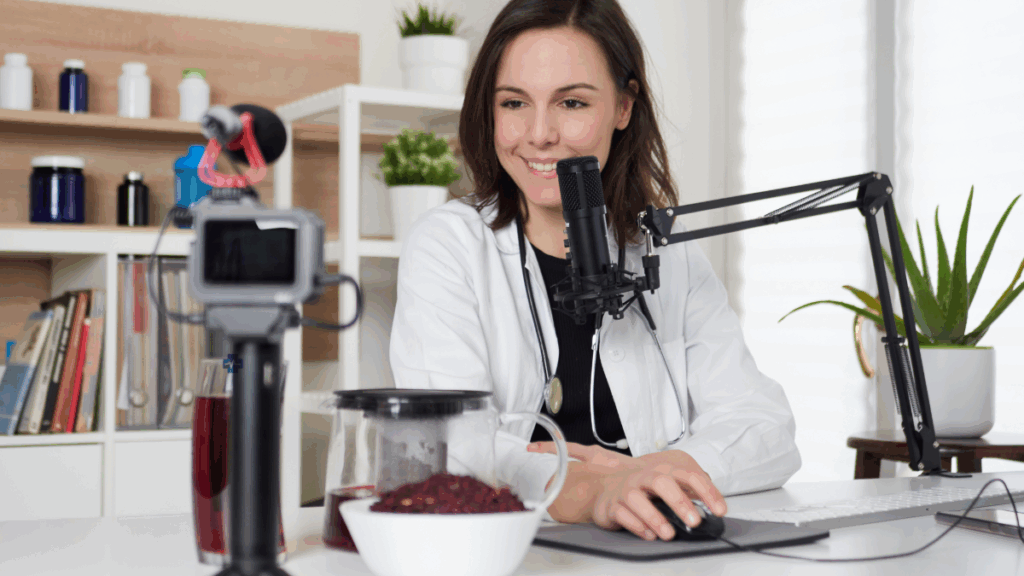
Not all content creators are registered professionals, and even those who are may inadvertently oversimplify or generalise advice in short-form content. According to a Sermo report, 43% of doctors globally expressed concern that TikTok and similar platforms contribute to the spread of health misinformation. Furthermore, the lack of regulatory oversight on platforms like TikTok means misleading or non-evidence-based advice can go viral, reaching millions before it can be corrected or flagged.
The blurring of lines between entertainment and education is another issue. Some creators may prioritise virality over accuracy, leading to clickbait health claims or dramatic representations of medical conditions that could mislead viewers. Even verified professionals can contribute to the problem by giving advice without proper context or disclaimers, which can result in inappropriate self-diagnosis or treatment.
Numerous cases have highlighted how quickly misinformation can spread via social media. For instance, during the Covid-19 pandemic, TikTok and Instagram were rife with posts suggesting inaccurate prevention methods. These included gargling vinegar or taking high doses of vitamins as a cure; none of which are supported by scientific evidence.
Another example includes misleading content around ADHD and autism, where some influencers have shared overly simplistic or inaccurate self-diagnosis checklists. These posts can be harmful, especially to younger users, by creating unnecessary health anxiety or encouraging them to pursue unnecessary private tests and treatments.
In one particularly notable instance, a TikTok trend encouraged women to use boric acid suppositories for vaginal health, without medical oversight, leading to a wave of warnings from doctors about the potential risks of chemical burns and infections. Despite expert corrections, the trend amassed millions of views before platforms began moderating related content.
How Users Can Protect Themselves
To stay safe online, users should adopt a critical mindset when consuming health content. First and foremost, verify the credentials of any health professional offering advice. In the UK, doctors can be checked through the General Medical Council’s register (www.gmc-uk.org) to confirm their legitimacy. It’s also important to look for evidence-based advice. Reputable medical influencers often cite NHS guidelines, peer-reviewed studies, or official public health resources.
Users should be wary of overly dramatic, one-size-fits-all advice or anything that promises quick cures. Reliable creators will typically include disclaimers that their advice is not a substitute for a consultation with a healthcare provider and will encourage viewers to seek professional help when necessary.
Additionally, platforms like TikTok have started promoting authoritative content through partnerships, such as the TikTok Clinician Creator Network, which includes verified NHS professionals to provide accurate, science-backed information. Users should follow these verified accounts and avoid engaging with unregulated content from non-medical influencers.
A Transforming Landscape
The advent of celebrity doctors and TikTok GPs has undeniably transformed the landscape of healthcare communication in the UK. While these platforms have democratised access to medical information and fostered greater public engagement, they have also introduced complexities regarding the accuracy and reliability of health content.
As social media continues to play a pivotal role in shaping public perceptions of healthcare, it is essential for both medical professionals and platform providers to collaborate in promoting accurate, evidence-based information.
By doing so, they can ensure that the benefits of social media in healthcare are maximised while mitigating potential risks, thereby maintaining and enhancing public trust in healthcare systems.