
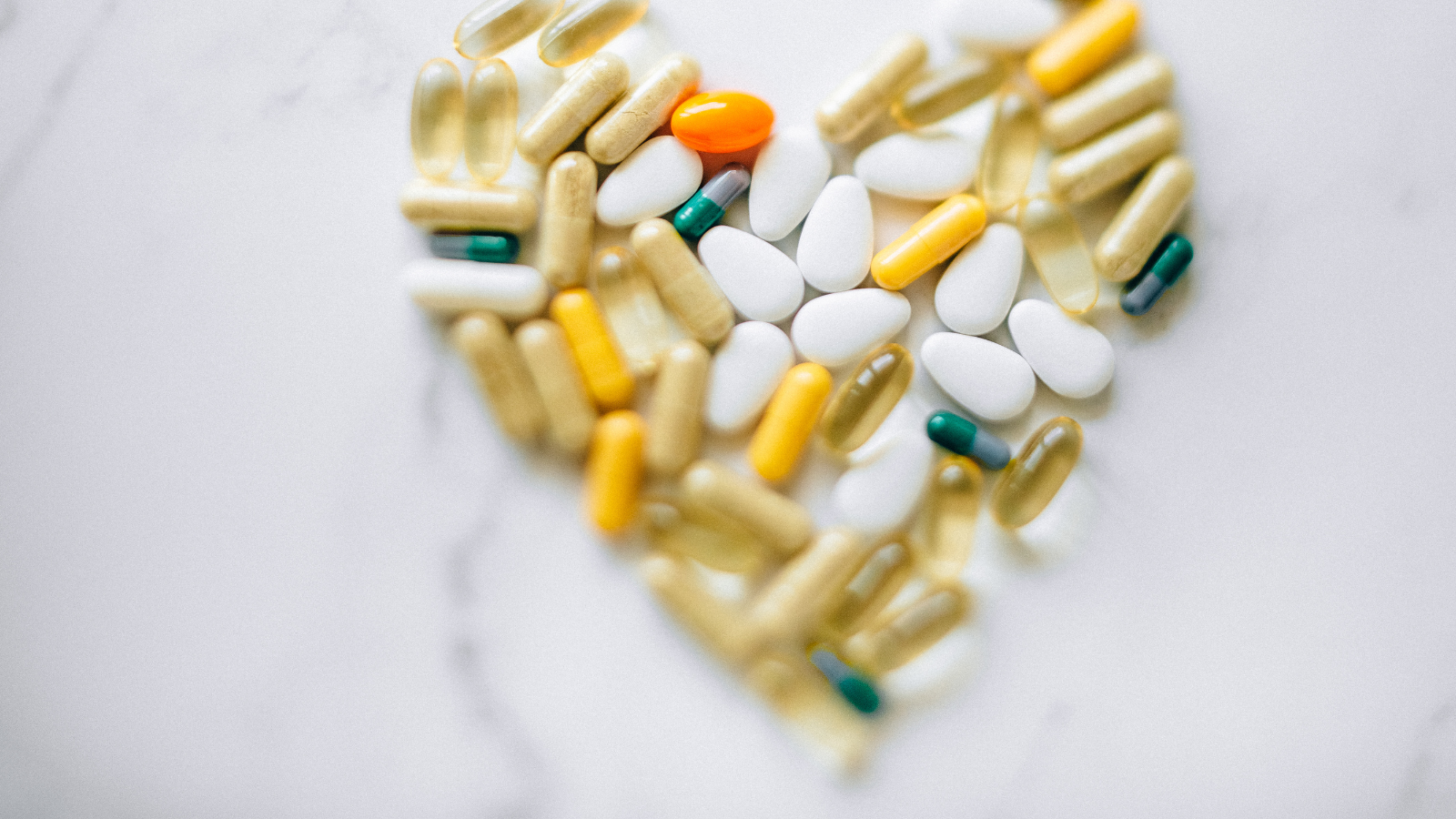
Breaking reports suggest that after three years, older adults taking a daily multivitamin reported better strength and stamina than those on placebo. While these findings are preliminary, they give good reason to keep taking your daily multivitamin, even if it seems a small act.
“Multivitamin/mineral supplements are dietary supplements which contain combinations of vitamins, minerals or both, with each nutrient helping to meet a dietary need,” an article on EatingWell explains. According to research by the National Institutes of Health: Office of Dietary Supplements: “Nearly one-third of Americans include multivitamins in their wellness routine.”
As people age, one of the most valued aspects of quality of life is the ability to remain independent. This includes dressing, bathing, walking, climbing stairs, hurrying through daily tasks, and managing household chores without being limited by fatigue, shortness of breath, or other symptoms. The new research, presented at NUTRITION 2026, the annual meeting of the American Society for Nutrition, suggests that a simple daily multivitamin may offer modest support for preserving that independence into old age.
Bayu B. Bekele, PhD, a postdoctoral fellow at the Georgia Prevention Institute of the Medical College of Georgia at Augusta University, who presented the findings, has said: “For older adults, these findings suggest that a daily multivitamin could be a helpful, low-risk addition to a healthy lifestyle to support physical well-being as they age, although it is not a substitute for a good diet or exercise.”
The analysis drew on responses from more than 16 000 participants aged 60 and older (men at least 60, women at least 65); enrolled in a randomised, double-blind, placebo-controlled trial.
Participants were assigned to a daily multivitamin, a cocoa extract supplement, both, or neither, with matching placebos. Functional health was assessed using the Kansas City Cardiomyopathy Questionnaire (KCCQ), a validated patient-reported tool that measures physical function, symptom burden (including fatigue, shortness of breath, and swelling), and an overall clinical summary score.
After three years, the multivitamin group showed statistically significant advantages in symptom burden and the clinical summary score compared with placebo. Physical ability scores alone did not improve significantly across the full population, but the combined measure of symptoms and function did.
Researchers suggested the multivitamin may support functional health through modest benefits to cognitive abilities, blood circulation, and physical stamina. These are factors which collectively influence how easily older adults can manage everyday activities.
The overall effect size was modest. However, benefits appeared more pronounced in specific subgroups. Participants with carotid stenosis (narrowing of the carotid arteries) showed clinically meaningful improvements in cardiovascular-related functional health scores. Cocoa extract, by contrast, did not improve functional health scores in the broader study population, though it showed a signal of benefit for symptom burden among those with congestive heart failure.
Less fatigue, less shortness of breath, and less swelling can definitely make the difference between needing assistance with daily tasks and managing them independently. Reduced symptoms may support continued physical activity, which in turn helps preserve strength, mobility, and overall resilience. In this sense, even small gains in functional health scores may accumulate into meaningful support for independence over time.
Important Caveats and Context
The researchers and the American Society for Nutrition emphasise several important limitations. The results were presented as a conference abstract and have not yet undergone full peer review or publication in a scientific journal. For this reason, they should be regarded as preliminary. The analysis was also secondary, meaning the trial was not originally designed with functional health as a primary endpoint, so the findings are hypothesis-generating rather than definitive.
Multivitamins are not a substitute for a nutrient-rich diet or regular physical activity. Participants in the study were generally healthy older adults without major cardiovascular disease at baseline, and results may differ in other populations. Anyone considering a new supplement should consult a physician, particularly if they have existing health conditions or take medications that could interact with vitamins or minerals.
Still, the study adds to a growing body of evidence suggesting that daily multivitamin-mineral supplementation may play a supportive role in healthy ageing for some people. For older adults concerned about preserving strength, stamina, and the ability to handle everyday activities, a multivitamin represents a low-cost, low-risk option that may provide incremental benefits when layered onto established healthy habits.
According to an article in Healthline, independence in adults ages 65 years and older refers to a person’s ability to meet their daily physical, cognitive, and social needs by making informed, autonomous decisions and moving freely. “It’s one of the most important factors for supporting healthy aging and a high quality of life. However, several physical, social, and cognitive factors can affect independence as you age,” says the article.
The article further mentions notable findings by the Centres for Disease Control and Prevention (CDC). These specify that in adults aged 65 years or older, 80% have a chronic health condition, such as dementia, arthritis, or hypertension; 33% have physical limitations in daily activities, such as bathing; and 30% live alone, increasing the risk of social isolation and loneliness.
Variables which can add to the quality of life in this age group, even in a modest way, are therefore invaluable.
For older adults seeking practical ways to support their ability to stay active and independent, a daily multivitamin, used alongside good nutrition, physical activity, and medical care, may offer a modest but meaningful contribution.