
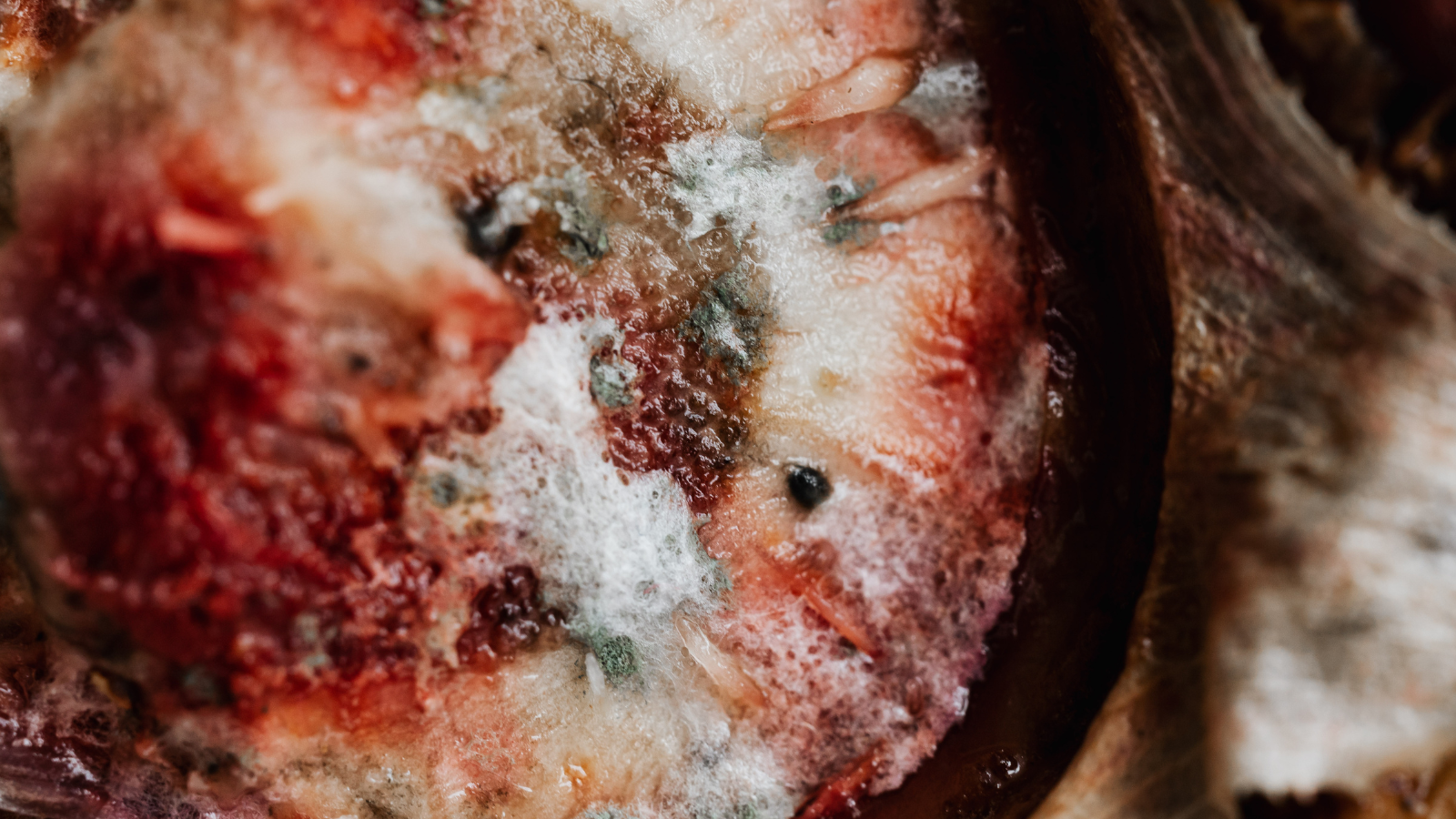
“Invasive mould infections are more common than thought,” reads a breaking news article in Euronews. Sciencedirect provides an even more sobering picture, emphatically stating: “Invasive mould infections (IMIs) are leading causes of morbidity and mortality in immunocompromised individuals.”
Oxford Academic, on its Medical Mycology site, further highlights the problem: “Global epidemiological data show that the incidence of invasive fungal disease (IFD) has increased in recent decades, with the rising frequency of infections caused by Aspergillus and Mucorales order species.
But what is ‘invasive mould’ and why has it suddenly made news headlines?
Recent findings published by the United States Centres for Disease Control and Prevention (CDC) (July 2026) show that invasive mould diseases are likely more common and more deadly than previously recognised, while surveillance systems remain inadequate to measure their true impact.
The report found that around one-third of patients diagnosed with an invasive mould disease died, highlighting the serious nature of these infections, particularly among people with weakened immune systems or recent Covid-19 infections.
The CDC also noted that limited surveillance and inconsistent reporting make it difficult to accurately estimate how widespread these infections are. This aligns with broader concerns raised by The Lancet, which estimated that invasive fungal infections cause approximately 6,5 million infections and 3,8 million deaths globally each year, while Europe lacks a comprehensive registry or mandatory EU-wide reporting system, leaving the true burden of disease likely underestimated.
The interplay between invasive moulds and Covid-19 infections is possibly what brought the news to the foreground of public attention. Researchers explain that for vulnerable patients, certain moulds can become deadly pathogens capable of invading the lungs, bloodstream and other organs. Unlike superficial fungal infections which affect the skin or nails, invasive mould infections occur when fungal spores enter the body and spread into deep tissues. Species such as Aspergillus, Mucor, Rhizopus and other environmental moulds can cause life-threatening disease when the body’s immune defences are weakened.
While Covid-19 itself does not directly cause mould infections, severe illness can damage the lungs, alter immune responses and require treatments such as corticosteroids, which reduce the body’s ability to fight fungal organisms.
The vast majority of invasive mould infections occur in people whose immune systems are already compromised. These include patients undergoing chemotherapy, recipients of organ or stem cell transplants, people receiving long-term corticosteroid therapy, individuals with uncontrolled diabetes, those living with advanced HIV infection and patients receiving newer immune-modulating therapies for autoimmune disease or cancer. Critically ill patients in intensive care units may also become vulnerable, particularly if prolonged ventilation or severe respiratory disease has damaged the lungs.
Although healthy people inhale fungal spores every day without consequence, immunocompromised patients may be unable to eliminate these organisms before they invade surrounding tissues.
Why Diagnosis Remains Difficult
One of the greatest challenges highlighted by the CDC research is that invasive fungal disease often resembles other serious illnesses.
Patients commonly present with symptoms such as persistent fever, a cough, shortness of breath, chest pain, fatigue and worsening pneumonia despite antibiotic treatment. Unfortunately, these symptoms are non-specific and frequently overlap with bacterial pneumonia, viral infections or progression of underlying disease.
Conventional cultures may take several days to grow fungal organisms, and in some cases fail to detect them altogether. This diagnostic delay can prove critical because invasive mould infections may progress rapidly, especially in severely immunocompromised patients.
Modern laboratories now combine multiple technologies to improve detection. Time remains one of the most important factors influencing survival.
Forewarned Is Forearmed
A CDC report reads: “If mould is seen, smelled, or otherwise known to be growing in a home or building, someone who is not at risk for an IMI should clean the mould. When possible, get help from an experienced and qualified professional. People with weakened immune systems should avoid being inside homes or buildings with mould until mould removal is completed.
According to an article by the National Institutes of Environmental Health, the best way to control mould growth indoors is to control moisture. One of the ways controlling humidity can be achieved is through HVAC systems or dehumidifiers. You can also use fans, and open windows to ventilate rooms and prevent damp indoor spaces. Keeping an eye on water sources, and fixing leaking roofs or dripping pipes, for example, can also help. If you do notice a small mould spot, you can use housecleaning agents to help clean it.
These new findings are invaluable in equipping homeowners to secure a healthy living environment. They also shed light on the need for hygienic, safe spaces for those recovering from health conditions, such as Covid-19.
As someone of the Christian faith, I know that the book of Leviticus in scripture devotes two entire chapters to the removal of mould and mildew. However, there’s a wealth of information online to help homeowners stay mould-free. As they saying goes, forewarned is forearmed.