
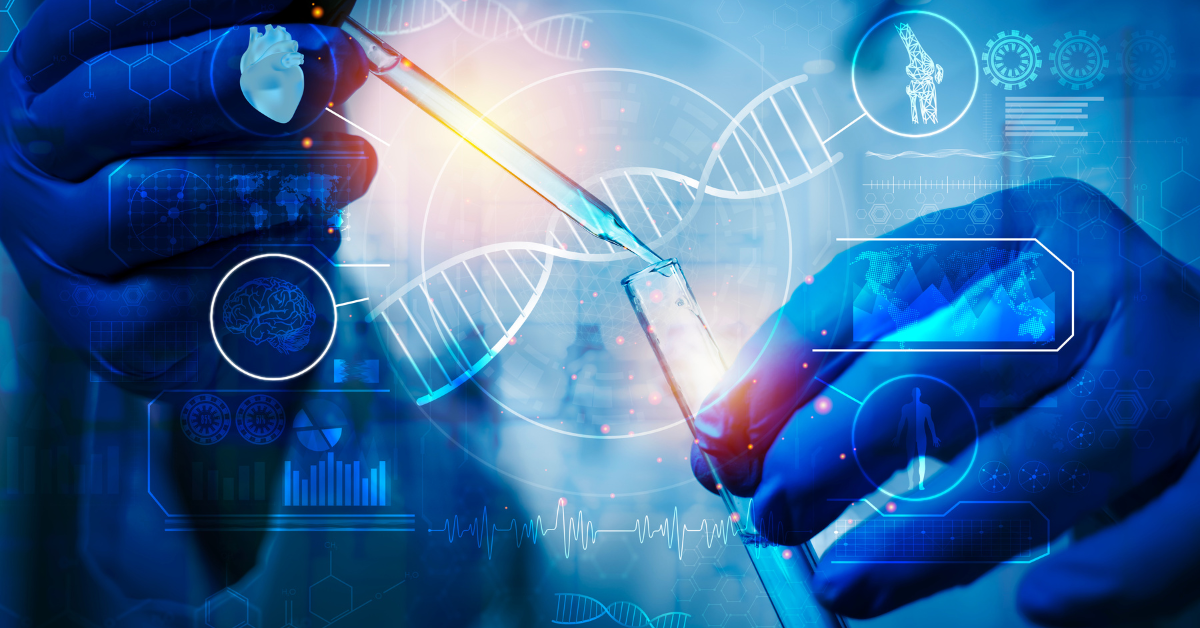
Once the domain of tech moguls and elite athletes in Silicon Valley, biohacking has transcended its Californian roots, finding fertile ground in the UK’s healthcare landscape.
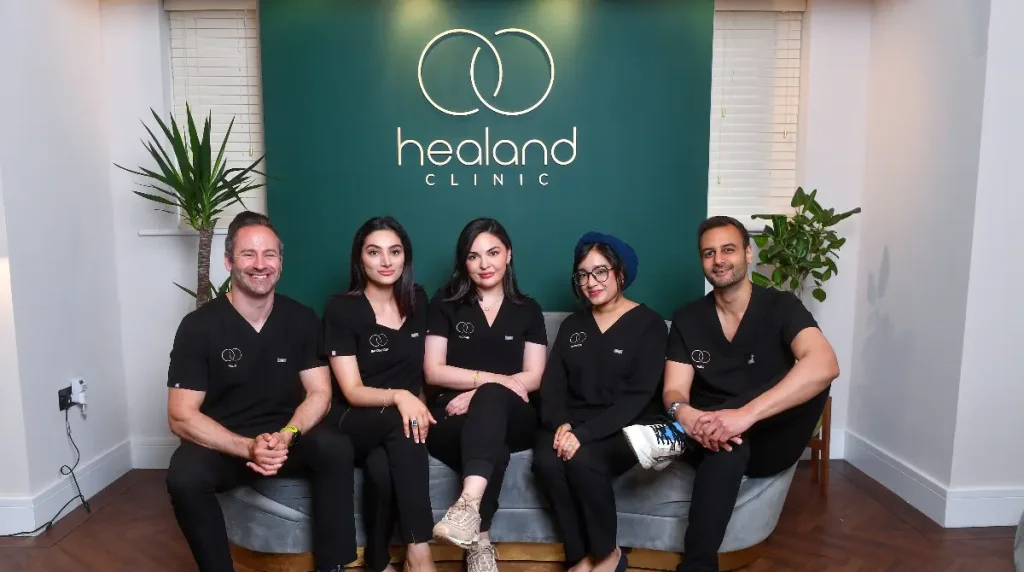
One of the pioneers of this move is Dr Omar Babar, Medical Director of Healand Clinic in Leicester, who is redefining how Britons approach health optimisation.
“Biohacking is about empowerment,” says Dr Babar. “It’s not about chasing trends or mimicking what’s happening in Silicon Valley. It’s about understanding your body’s unique needs and using evidence-based tools to optimise your health and performance.”
At Healand Clinic, this philosophy manifests through a blend of cutting-edge therapies and personalised care. Dr Babar’s team offers treatments like NAD+ infusions, peptide therapy, and advanced health screenings, all tailored to individual health profiles.
What Exactly Is Biohacking?
Biohacking, also referred to as ‘DIY biology’, is a broad and evolving field focused on improving human performance, health, and longevity through measurable, often science-backed methods. These interventions can be as simple as changing one’s diet or sleep habits, or as advanced as using neurofeedback devices, implantable tech, or gene editing tools.
At its core, biohacking is about agency. This means taking control of one’s body and mind through experimentation, data tracking, and habit optimisation.
Bringing Biohacking To The Midlands
As a pioneer in biohacking methods, Healand Clinic stands out as the first integrated and functional medical clinic in the Midlands, offering services previously accessible only in major cities like London. “We’re making advanced health optimisation accessible to a broader population,” notes Dr Babar.
The clinic’s approach includes comprehensive health screenings, hormone assessments, and bespoke treatment plans. “By closely understanding our body and its current health metrics, we can strategically implement measures to avoid potential health challenges in the future,” Dr Babar explains.
Healand Clinic’s success lies in its multidisciplinary model, integrating medical professionals, psychotherapists, and allied health practitioners. This collaborative approach ensures that treatments address not just physical symptoms but also mental and emotional well-being.
For instance, their bio-enhancement therapies target physical and mental well-being, promoting overall health and spiritual upliftment.
Healand Clinic is also at the forefront of introducing innovative treatments like ozone therapy, which has shown promise in reducing inflammation and treating autoimmune conditions. “Ozone treatments are able to tackle chronic pain while also possessing anti-aging properties,” says Dr Babar.
From Tech Bros To TikTokers: The Democratisation Of Biohacking
The wellness boom accelerated by the Covid-19 pandemic has made health a top priority across age groups and demographics. People are proactively seeking ways to manage stress, boost immunity, and prevent burnout. Biohacking has aligned seamlessly with this shift, offering a hands-on, often non-pharmaceutical approach to well-being.
Social media platforms like TikTok and Instagram have also played a pivotal role in expanding biohacking’s reach. Instead of dense blog posts or podcast interviews aimed at niche audiences, users now consume quick, actionable tips in under a minute. The influencers driving this content range from doctors and scientists to wellness coaches and everyday enthusiasts, making biohacking feel approachable, inclusive, and adaptable to any lifestyle.
Underlying all of this is a broader cultural trend toward self-optimisation. As people grow more conscious of how diet, sleep, movement, and digital habits impact mental and physical performance, they are increasingly treating the human body as something that can be upgraded, like an operating system. This shift has transformed biohacking from an eccentric pursuit into a modern-day necessity for many.
Everyday Practices That Count As Biohacks
Biohacking doesn’t have to involve implants or nootropics with unpronounceable names. In fact, many of the most popular strategies are surprisingly simple and grounded in common sense. Intermittent fasting, for example, is a timed eating pattern that helps regulate insulin, support metabolism, and improve cognitive clarity.
Cold exposure, via ice baths or cold showers, has become popular for its reported benefits on inflammation, circulation, and mental resilience.
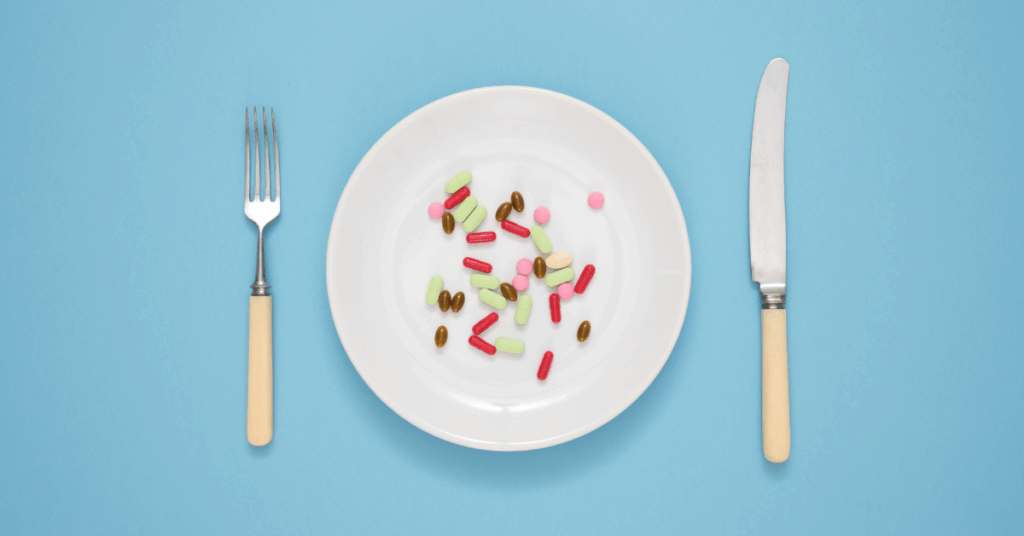
Red light therapy is another growing trend, used to support cellular repair, skin health, and mood through exposure to specific wavelengths of light. Nootropics, often called ‘smart drugs’, include both natural and synthetic compounds like L-theanine, Rhodiola Rosea, and Lion’s Mane mushroom, all promoted for their potential to enhance memory, focus, and creativity.
Even digital detoxing, reducing screen time and overstimulation, has entered the biohacking lexicon as a way to restore mental balance and reduce anxiety.
The key difference today is that these tools are no longer confined to boutique wellness centres or niche forums. They’re being sold at gyms, included in mental health apps, featured on morning shows, and discussed at dinner tables.
The Rise Of The Everyday Biohacker
Perhaps the most exciting development in this space is the rise of the everyday biohacker. You no longer need to be a tech founder or a professional athlete to optimise your biology. People from all walks of life, from teachers, retail workers, entrepreneurs, to retirees, are experimenting with simple protocols to improve how they feel, think, and perform.
Online communities and resources have proliferated, making it easier than ever to learn, share experiences, and troubleshoot challenges without needing a scientific background.
Moreover, today’s biohacking is becoming more holistic. While early iterations focused heavily on physical metrics like fat loss or productivity, there’s now a broader appreciation for emotional intelligence, nervous system regulation, and spiritual well-being. Practices like breathwork, mindfulness, trauma-informed therapy, and even gratitude journaling are being embraced as essential tools for internal optimisation.
This evolution reflects a maturing understanding of human performance: not as a race to become faster or smarter, but as a balanced pursuit of vitality, peace, and purpose.
Taking Biology Into Your Own Hands
Biohacking has officially outgrown its Silicon Valley roots. What began as a fringe movement fueled by performance-obsessed technologists has become a global awakening around the idea that we can feel better, think clearer, and live longer; through deliberate, often small, changes.
Whether you’re trying to sleep more deeply, sharpen your concentration, or simply feel more alive, there’s a growing ecosystem of science-informed tools waiting to support you.
You don’t need to be rich, famous, or scientifically trained to start. You just need curiosity, consistency, and a willingness to tune into your body’s signals.
As biohacking gains traction across the UK, clinics like Healand are leading the charge in making these therapies more accessible. Dr Babar envisions a future where personalised health optimisation becomes a standard part of healthcare. “We’re not just treating illnesses; we’re enhancing lives,” he asserts.