
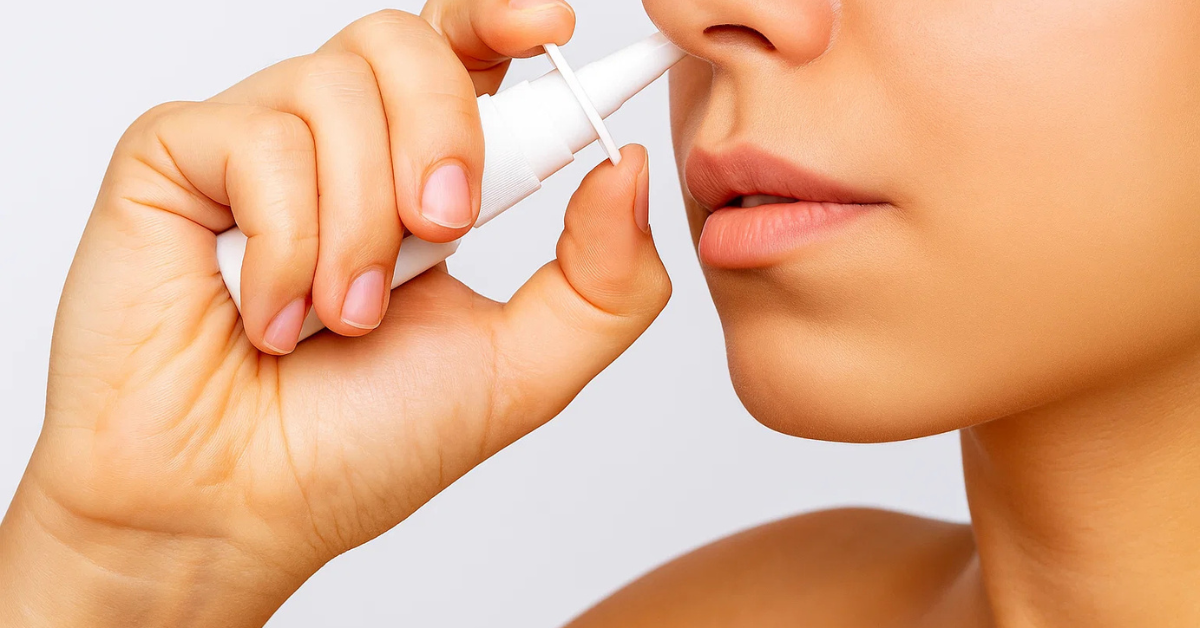
In the relentless pursuit of beauty, millions turn to products and procedures promising instant results, such as brighter skin, bronzed glow, fuller lips, or a slimmer face. But beneath the polished packaging and social media hype lies a growing concern. Many of these trends come with a hidden cost to health.
An article in The Irish Sun tells the story of former Miss GB Jen Atkins who has issued a stark warning against nasal tanning spray, explaining she had permanent skin damage from using the spray.
“I was naive and I just took the product,” the beauty queen is quoted as saying. “I used it twice. The first time, it made me feel so sick and dizzy. I was actually driving to work, so how incredibly dangerous was that? My face was bright red, itchy. It was horrific. Silly me tried it again the next day, and it was even worse. I thought I was going to throw up on the way to work. It was just awful.”
From unregulated nasal tanning sprays to risky cosmetic interventions showcased at beauty expos, experts are sounding the alarm on the dangers of chasing aesthetic perfection.
Nasal Tanning Sprays: A Quick Fix With Long-Term Damage
Nasal tanning sprays have surged in popularity across the UK. They have been promoted as a shortcut to sun-kissed skin without UV exposure. These sprays, often containing melanotan II, work by stimulating the production of melanin, the pigment that gives skin its colour. Applied nasally, the product is absorbed into the bloodstream, with results promised within days.
But the consequences can be dire.
Jen Atkins’ harrowing experience included intense nausea, dizziness, skin irritation, and permanent hyperpigmentation. “I felt like my skin was burning from the inside out,” she said in an interview. Her story is not unique, says the report.
Dozens of similar cases have been reported to health regulators.
Despite the marketing, these sprays are not approved for cosmetic use and are not licensed by the UK’s Medicines and Healthcare products Regulatory Agency (MHRA). The products are often sold online or in unregulated salons, where buyers are unaware of the health risks they carry, including hormonal disruption, moles turning cancerous, and adverse cardiovascular effects.
Why Do People Use Nasal Tanning Sprays
Nasal tanning sprays have gained traction largely due to their promise of quick results and minimal effort. Containing melanotan II, these sprays stimulate melanin production, giving users a tanned appearance within days, without time spent under the sun or in tanning beds.
For many, the appeal lies in the ability to achieve a bronzed look without exposing their skin to harmful ultraviolet (UV) rays, which are known to accelerate ageing and increase the risk of skin cancer. The convenience of nasal application also adds to the allure, making the product easy to use at home with no mess or lengthy process.
The rise of these sprays is also closely tied to the influence of social media and modern beauty ideals.
Social Media: The Double-Edged Sword
Platforms like Instagram and TikTok have become breeding grounds for beauty trends, many of them questionable, some outright hazardous. From teeth-whitening powders that erode enamel to viral ‘slugging’ routines that cause acne breakouts, users are often unaware of the long-term skin or health consequences.
Nasal tanning sprays are a prime example. TikTok has played a key role in popularising the product, with influencers posting dramatic before-and-after transformations without disclaimers. The appeal of fast results, paired with social validation, can drown out medical warnings.
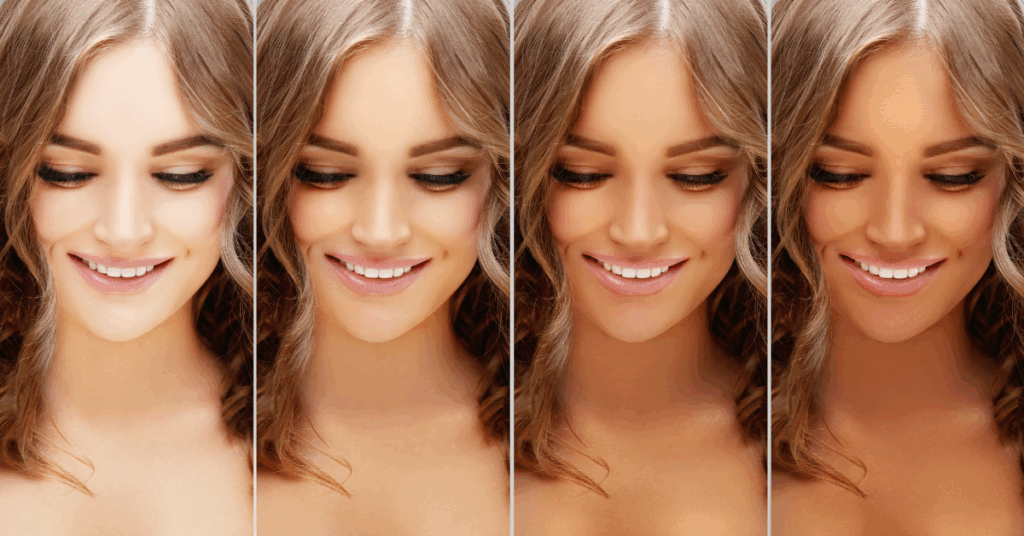
This trend is reinforced by peer pressure and cultural standards that equate a sun-kissed glow with attractiveness and health. Unfortunately, many users are unaware that these products are unregulated and potentially dangerous. Misleading marketing often portrays them as safe or ‘natural’, leading people to underestimate the real risks associated with their use.
The Advertising Standards Authority (ASA) has begun clamping down on misleading health and beauty ads, but regulation lags behind the speed of trend cycles. “We’re playing whack-a-mole,” one ASA spokesperson admitted. “As soon as we ban one influencer’s post, ten more go up with new products.”
The Psychological Toll
Beyond the physical health implications, there’s a psychological dimension to this beauty arms race. The proliferation of filters, AI-enhanced selfies, and curated bodies creates unrealistic standards that drive people, especially young women and teens, to dangerous lengths.
A 2024 study by the Royal Society for Public Health found that one in three young women in the UK had considered undergoing a cosmetic procedure before the age of 21, citing appearance-related anxiety worsened by social media. When asked about health risks, most respondents were unaware of the dangers associated with unregulated treatments.
Mental health professionals argue that this obsession with cosmetic enhancement is rooted in deeper insecurities. Dr Natasha Gill, a clinical psychologist specialising in body image, explains: “We are dealing with a generation that sees self-worth measured in likes, comments, and filtered perfection. Products like nasal tanning sprays prey on that vulnerability.”
What Needs to Change
The growing popularity of risky beauty interventions calls for urgent action on multiple fronts. Regulatory bodies like the MHRA and ASA must be granted stronger authority to restrict the sale, advertising, and use of unlicensed cosmetic products such as melanotan II.
Public health campaigns should be launched to educate consumers about the dangers of quick-fix beauty trends and to promote safer, evidence-based alternatives. Influencers who promote unsafe or unregulated treatments must be held accountable, with penalties imposed for spreading misinformation.
Additionally, beauty shows and expos should be subject to regulatory inspections to ensure that any invasive procedures are performed solely by licensed professionals in properly controlled clinical environments.
Beauty Shouldn’t Hurt
The desire to look and feel good is not inherently harmful. In fact, self-expression and grooming can be empowering. But when the tools and trends that promise beauty begin to undermine health, it’s time to pause and reconsider.
The ‘cost of beauty’ shouldn’t be hospital visits, permanent damage, or emotional trauma. As consumers, we must become more informed and cautious. Because ultimately, beauty should enhance life, not endanger it.
This is why it is always important to seek the opinion of a professional before beginning to use trending products which promise transformation, or undergoing procedures.