
Louis Giglio gives an example of just how wonderfully and intricately the body is made in his documentary, Indescribable. One of the key features of his narrative is about sight and the inner workings within the eye.
Every moment we open our eyes, an extraordinary sequence of events unfolds with breathtaking precision., Giglio explains. Light enters the eye and is converted into electrical signals by millions of specialised cells in the retina before travelling along the optic nerve to the brain, where those signals are transformed into the images we see.
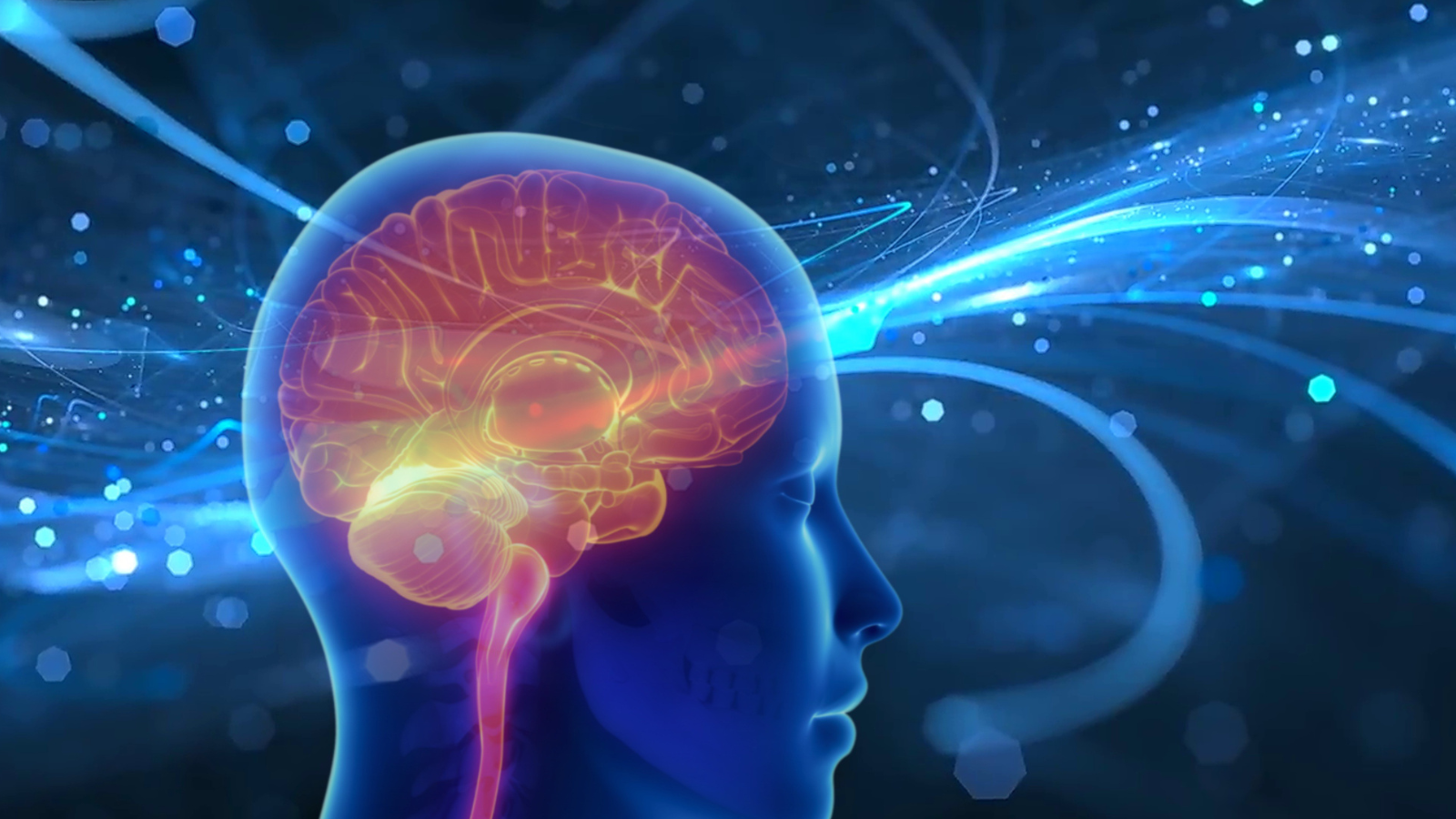
Giglio’s talks are accompanied by mind-blowing images. Something which remained with me after I had watched Indescribable, was his words about how so often we look to the edge of the universe in seeking the miraculous but forget to look at ourselves.
During early development, the remarkable system within our eyes depends on countless nerve fibres growing across tiny distances to connect with their correct targets. One set of nerve endings must navigate an intricate pathway to reach another, with each connection forming in exactly the right place and at precisely the right time. If these delicate connections fail to meet accurately, normal vision can be affected. This astonishing orchestration of timing, guidance and communication highlights the incredible complexity behind the simple act of seeing; something most of us take for granted every day.
Giglio’s explanations have always left me amazed and I am intrigued when researchers connect even more dots in our intricate physiology through their research and subsequent understanding.
A report by Medscape has shed even more light on the intricacies of the human body. These findings say there is growing evidence that dry eye disease is not always simply a disorder of tear production. They have highlighted ‘shared nerve pathways’ as the reason for this.
Dry eye disease is one of the most common eye conditions worldwide, affecting millions of people of all ages. Patients may experience burning, stinging, redness, blurred vision, excessive tearing, light sensitivity or the persistent sensation that something is trapped inside the eye. Left untreated, dry eye disease can reduce quality of life, interfere with reading and driving, and even damage the ocular surface.
Although many associate it with ageing, excessive screen use or air-conditioned environments, specialists now recognise that the condition is far more complex. The latest study suggests that chronic pain might be a factor in causing the condition.
Researchers found that individuals living with persistent pain disorders were considerably more likely to develop dry eye disease than people without chronic pain. The association suggests that this relationship is unlikely to be coincidental.
The cornea is one of the most densely innervated tissues in the human body. It contains thousands of specialised nerve endings which constantly monitor the eye’s surface. These nerves detect dryness, temperature changes and potential injury, triggering blinking and tear production to protect the eye.
When the nervous system functions normally, these protective mechanisms help maintain a healthy ocular surface. However, in chronic pain disorders, the nervous system can become hypersensitive through a process known as central sensitisation. In this state, pain pathways remain activated even when there is little or no ongoing tissue damage, amplifying normal sensations into painful experiences.
Researchers believe similar changes may occur in the nerves supplying the eye. This could explain why some patients report severe dry eye symptoms despite relatively minor abnormalities on clinical examination, while others show significant ocular surface damage but experience comparatively little discomfort. In other words, the severity of symptoms may not always match what clinicians observe under the microscope.
Inflammation may provide another important link. Many chronic pain conditions, including fibromyalgia, rheumatoid arthritis, migraine disorders and certain autoimmune diseases, involve ongoing low-grade inflammation.
Inflammatory molecules circulating throughout the body may also influence the delicate tissues covering the eye, disrupting tear film stability and increasing ocular surface irritation.
At the same time, inflammation affecting the corneal nerves may alter how pain signals are transmitted to the brain, further contributing to persistent symptoms.
The relationship also appears to work in both directions. Dry eye disease itself has increasingly been recognised as a chronic pain condition in some patients. Persistent irritation may lead to long-term changes within the nervous system, causing ongoing discomfort even after the original trigger has improved. This concept, known as neuropathic ocular pain, has become an important area of ophthalmic research during the past decade.
For eye care professionals, these findings reinforce the importance of looking beyond the eye alone. The eyes are far more than organs of sight. They are closely connected to many other systems in the body, often providing valuable clues about a person’s overall health.
As stated, for me the news highlights the intricacies of the human nervous system. One of the most fascinating features of the human nervous system is that many organs and body regions share the same nerve pathways as they travel to and from the brain. This is why pain is not always felt where it originates.
A heart attack, for example, may cause pain in the left arm, shoulder, jaw or upper back because sensory nerves from these areas converge on the same spinal cord pathways.
Similarly, problems with the diaphragm can produce shoulder pain, while gallbladder disease may be felt beneath the right shoulder blade. The eyes also share intricate nerve connections with the brain, face and neck, explaining why eye strain, sinus problems or migraines can all produce overlapping symptoms.
These shared pathways enable rapid communication and coordinated responses throughout the body, but they can also make diagnosis challenging. Understanding these neural connections helps clinicians trace symptoms back to their true source and appreciate the remarkable integration of the human body.