
The first diagnostic biopsy happened surprisingly long ago. I was amazed to discover how long ago this was. It was by the Arab physician Abulcasis and was performed sometime between the years 1013 and 1107. That’s hundreds of years ago! They didn’t even have electricity back then!
There might have been similar procedures done before, however, Abulcasis’ biopsies were the first to be documented. His biopsy method involved puncturing the thyroid with a needle to characterise the nature of a goiter.
This ancient biopsy was possibly not the most comfortable of procedures. I did some research on when the first painkillers were used and it seems that by the time Abulcasis stepped onto the stage with his biopsy needle technique, painkillers had already been used for centuries.
Of interest, two of the earliest known pain-relieving substances were willow bark, which was used as early as 3 500 to 4 000 years ago and opium, which was already in use in Mesopotamia around 3 400 BC! Interestingly, willow bark contains salicin, which is the natural compound used in the development of aspirin. With such painkillers in effect, perhaps Abulcasis’ biopsy was not as painful as it sounds!
Today, the biopsy is one of medicine’s most important diagnostic tools. When physicians suspect cancer, infection, or tissue damage, they often remove a small sample of tissue from the body and send it to a laboratory for microscopic examination.
However, while biopsies have been developed over the past century to their present glory, many still fear their invasive, painful nature. They can also be costly, and sometimes risky, particularly when tumours are located deep within organs, such as the lungs, brain, or pancreas.
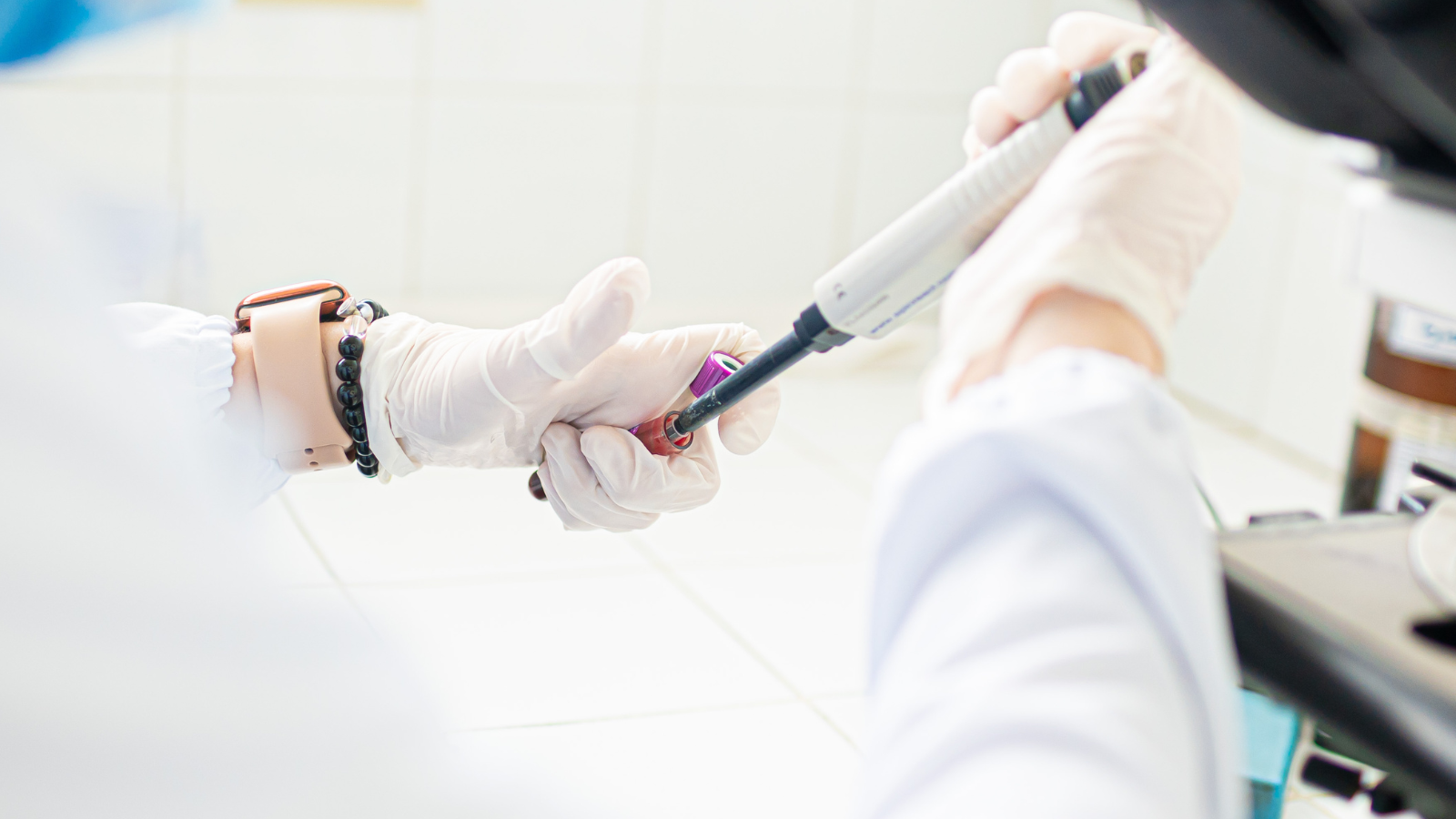
It’s for this reason that researchers are celebrating a new diagnostic method, called ‘liquid biopsies’. Liquid biopsies analyse biological material circulating in bodily fluids such as blood, urine, saliva, and cerebrospinal fluid, and researchers believe they could eventually transform how diseases are detected, monitored, and even prevented.
According to the U.S. National Cancer Institute, a liquid biopsy is ‘a test done on a sample of blood to look for cancer cells from a tumour that are circulating in the blood or for pieces of DNA from tumor cells that are in the blood.’
Tumours, injured tissues, infected cells, and even neurons release fragments of genetic material into the bloodstream. By analysing these microscopic traces, scientists can gather valuable information about what is happening inside the body without making a surgical incision.
The science behind liquid biopsies revolves largely around cell-free DNA, often abbreviated as cfDNA. These are fragments of DNA released when cells die and break apart. In cancer patients, a subset of this genetic material originates from tumours and is known as circulating tumour DNA, or ctDNA. Advanced sequencing technologies can identify mutations, methylation patterns, and other molecular signatures hidden within these fragments.
One reason for the growing enthusiasm over liquid biopsies is that traditional biopsies provide only a snapshot of a single location within a tumour. Cancers are often genetically diverse, with different regions containing different mutations. A blood sample, by contrast, may capture DNA shed from multiple tumour sites throughout the body.
This capability could be especially important for early cancer detection. Today, many cancers remain undiagnosed until symptoms appear, often when the disease has already progressed. Liquid biopsies offer the possibility of identifying malignancies months or even years before conventional methods.
Beyond cancer, liquid diagnostics may have applications across a wide range of diseases. Scientists are investigating whether cell-free DNA, RNA, proteins, and extracellular vesicles could reveal evidence of neurological disorders such as Alzheimer’s disease and Parkinson’s disease. Researchers are also exploring whether blood-based biomarkers could identify traumatic brain injury, monitor organ transplant rejection, detect infections, and assess heart damage following cardiac events.
Yet despite the excitement, experts caution that the end of traditional biopsies may not be as imminent as expected. Not all tumours shed enough DNA into the bloodstream to be detected reliably. False positives can lead to anxiety and unnecessary testing, while false negatives may provide false reassurance.
Researchers also face the challenge of determining exactly where a detected signal originates. A blood test may reveal the presence of abnormal DNA, but identifying the precise location of a tumour often still requires imaging studies and, in many cases, tissue confirmation.
While the future remains unknown, what is clear is that as a people, we have come a long way since that very first biopsy which involved a needle into the thyroid by Abulcasis. Here’s to many more years of medical innovation!