
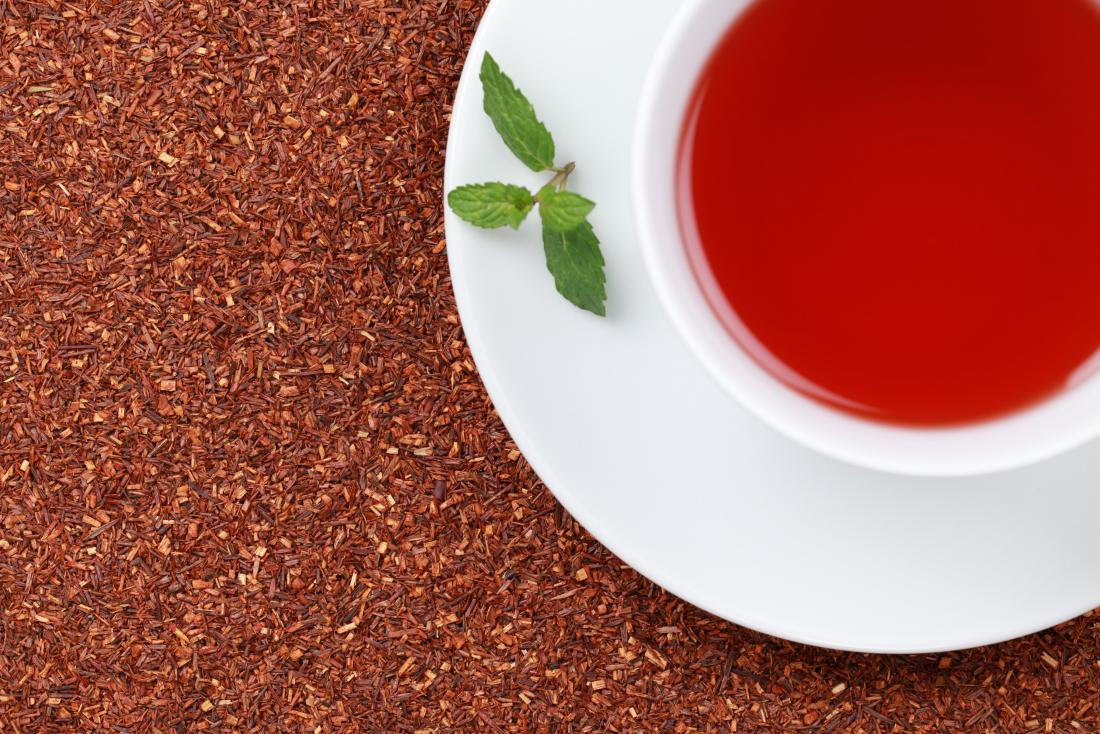
As a South African, I grew up with Rooibos tea. I drank it cooled down in a bottle as a toddler, and then from a mug as a child. Then, when I was pregnant and had to stay clear of certain drinks, like coffee, Rooibos tea was once again my go-to drink.
It has been a beverage that has seen me through all seasons of my life. I should imagine that this same sentiment would be true for many South Africans.
However, in addition to its flavour, what makes Rooibos tea unique is its multiple health benefits. These many benefits have drawn international attention. The global Rooibos market was valued at over $500 million in 2023, with significant exports to the United States, Europe, and Asia, according to the South African Rooibos Council.
The word ‘Rooibos’ is Afrikaans for ‘red bush’. The tea is a naturally caffeine-free herbal infusion from the Cederberg region of South Africa. For centuries, the indigenous Khoisan people brewed Rooibos for its medicinal properties.
Unlike black or green tea, Rooibos is naturally caffeine-free. This makes it a safe choice for pregnant women, children, and anyone sensitive to stimulants. It also has a rich antioxidant profile. Studies have been conducted pointing to the tea’s potential role in disease prevention and overall wellness. It has, among other benefits, exhibited anti-carcinogenic properties.
This is one of the reasons it has piqued the interest of scientists around the world. South African Professor JL Marnewick, Director: Applied Microbial and Health Biotechnology Institute (AMHBI), Research chair: Biotechnology, told Diagnostic Vision: “Results from our very first study involving Rooibos showed promising anti-mutagenic activity and served as the basis for our follow up studies to show that Rooibos exhibits anti-carcinogenic properties when considering the liver, oesophagus and skin, as those were the cancer models we concluded.”
Prof Marnewick further explained that drinking Rooibos tea promoted heart health: “Our human intervention studies were one of the first to provide clinical evidence that Rooibos promotes heart health by enhancing the body’s own antioxidant defense system and reducing certain risk factors involved with the development of cardiovascular disease. To date these study results showed Rooibos to be a good dietary strategy to prevent/modulate these non-communicable diseases that are on the rise in Africa.”
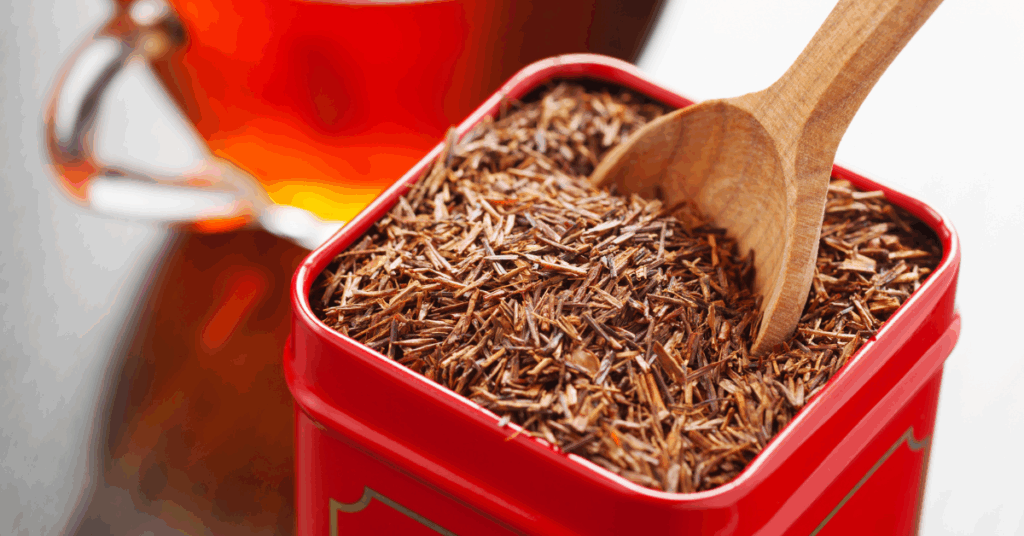
A 2019 review published in the Journal of Food Science and Technology, confirmed Prof Marnewick’s statements, saying that Rooibos tea also demonstrates ‘significant free radical scavenging activity’, which supports the body’s natural defenses against cell damage.
A clinical trial published in the Journal of Ethnopharmacology found that drinking six cups of Rooibos tea daily for six weeks led to a significant reduction in low-density lipoprotein (LDL), often dubbed ‘bad cholesterol’. At the same time, it boosted high-density lipoprotein (HDL), or ‘good cholesterol.’ The same study also noted a reduction in markers of oxidative stress in the blood.
For people with type 2 diabetes or those concerned about blood sugar regulation, Rooibos may offer modest but helpful support. The unique antioxidant aspalathin, found in the tea has been shown to influence glucose metabolism and may help reduce insulin resistance. While more human studies are needed, preliminary lab research published in Phytomedicine suggests that Rooibos extracts may also have blood sugar-lowering effects.
Interestingly, Rooibos is also a source of minerals like calcium, manganese, fluoride, and magnesium. These are nutrients essential for bone and dental health. Although the quantities are not as high as in mineral supplements, the cumulative effect of regular consumption can contribute to daily mineral intake, especially when the tea replaces sugary or acidic drinks.
Beyond physical health, Rooibos may promote mental well-being. It is rich in flavonoids , however, is caffeine-free. For this reason, Rooibos can have a calming effect without sedation. A study from Stellenbosch University in South Africa found that Rooibos flavonoids modulate the body’s stress response by lowering levels of cortisol. This is the so-called ‘stress hormone’. This positions Rooibos as a useful bed-time tea or a natural stress-management aid.
A Delicious, Soothing Tea
Rooibos is traditionally consumed hot, often with milk or honey. Owing to its increasing popularity in the wellness world,new variations of it have been formulated, including iced teas, lattes, kombuchas, and even Rooibos-based supplements.

Experts advise incorporating Rooibos tea as part of a balanced nutritional programme. Those with hormone-sensitive conditions should consult their doctor before incorporating Rooibos tea into their diets.
For me, Rooibos tea is one of South Africa’s national treasures. Few natural beverages offer such a wide array of health benefits with virtually no side effects. The gentle unassuming tea, which I enjoyed as much as a toddler as when I was a pregnant woman, has shown that ‘gentle’ can also be powerful. Also, that many great things come from South Africa!