
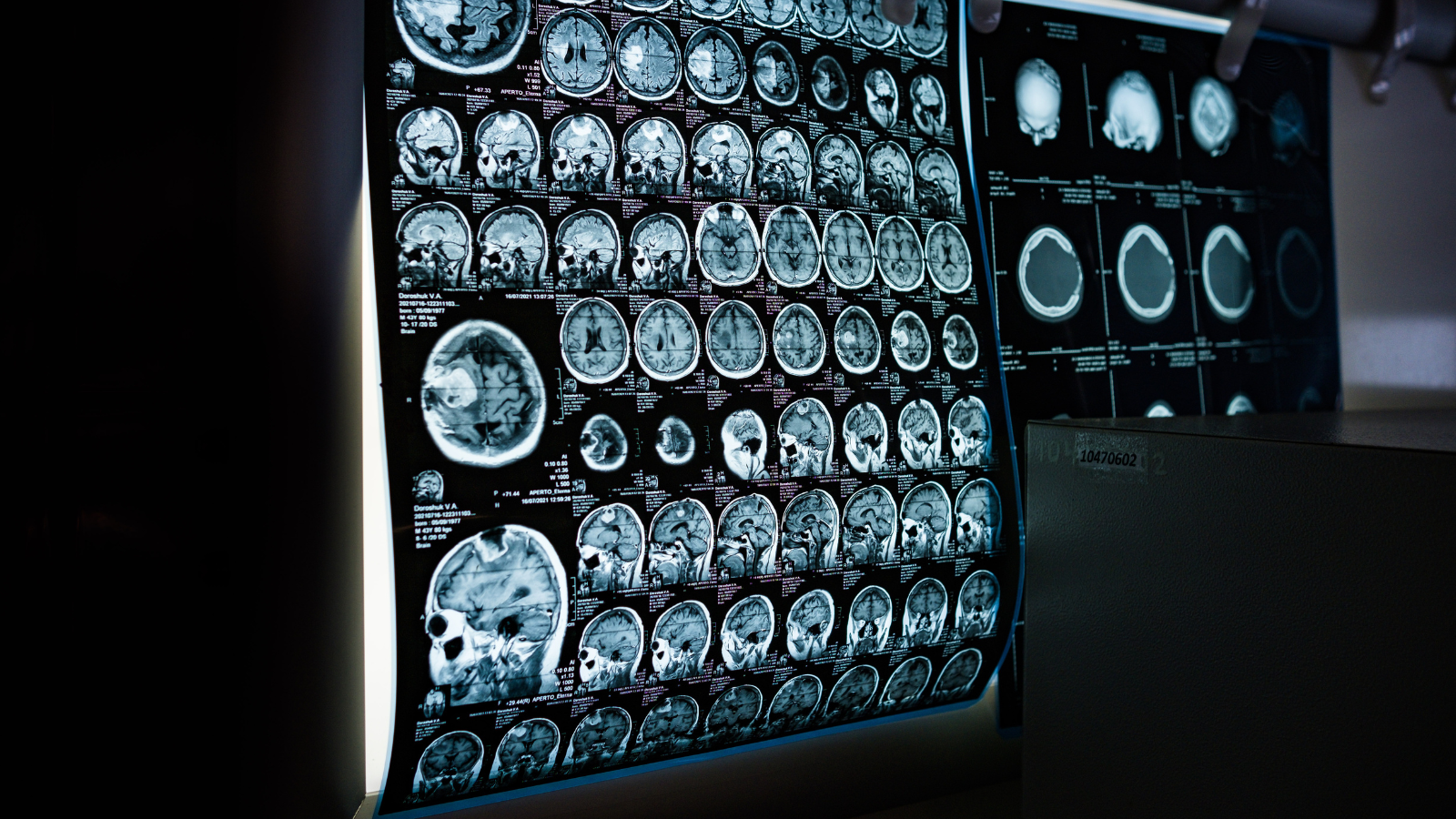
Glioblastoma has for long been a feared medical condition. It is considered one of the most difficult-to-treat and aggressive cancers affecting the brain. “Despite advances in neurosurgery, radiation therapy, and chemotherapy, survival rates remain low, with the disease frequently returning even after intensive treatment,” says a sobering NDTV article.
Fortunately, it seems researchers are as aggressive in their approach towards finding a treatment for the condition. News headlines recently announced that the glioblastoma brain cancer fight was finally on ‘the crest of breakthrough’.
This is good news for those living with the condition. According to Worldmetrics, glioblastoma affects 3,7 people per 100 000 each year, with EGFR and TP53 common and survival still low.
Professionals advocate that one of the biggest challenges in treating the condition is eliminating the microscopic cancer cells which remain behind once the tumour has been removed. Despite advances in neurosurgery, radiotherapy and chemotherapy, glioblastoma almost always returns.
Even after an apparently successful operation, tiny clusters of tumour cells often remain embedded within healthy brain tissue. These are invisible on conventional scans and difficult to target with surgery. They then gradually multiply until the cancer recurs.
The ‘crest of breakthrough’ announced by recent news reports refers to a world-first Phase III clinical trial. Researchers are evaluating TX101-Tx (¹³¹I-iodofalan), a targeted radiopharmaceutical which crosses the blood-brain barrier and delivers radiation directly into glioblastoma cells, while minimising damage to surrounding healthy brain tissue.
The treatment is currently being investigated in patients whose tumours have returned following standard therapy.
If the Phase III trial demonstrates significant benefits, researchers may begin asking an important new question. Rather than waiting until the disease recurs, could targeted radiopharmaceutical therapy one day be given immediately after surgery, before residual tumour cells have the opportunity to regrow?
A Different Way Of Delivering Radiation
TLX101-Tx represents a new generation of cancer therapies known as radiopharmaceuticals.
Rather than directing radiation at the tumour from outside the body, as occurs with conventional external beam radiotherapy, radiopharmaceuticals carry radioactive material directly to cancer cells.
TLX101-Tx has been engineered to exploit a biological weakness of glioblastoma. Rapidly growing tumour cells require large quantities of amino acids and express high levels of LAT1 transport proteins which actively import these nutrients.
The treatment mimics an amino acid, allowing it to cross the blood-brain barrier before being absorbed by glioblastoma cells. Once inside the tumour, the attached radioactive iodine delivers highly localised radiation designed to destroy cancer cells while limiting exposure to healthy brain tissue.
This targeted approach has attracted considerable interest because it combines molecular targeting with precision radiation delivery.
Could Earlier Treatment Be Even More Effective?
Although the current trial focuses on recurrent glioblastoma, the treatment’s greatest long-term potential may lie elsewhere and this is what researchers are so excited about.
Many cancer specialists believe that therapies targeting microscopic disease often produce the greatest benefit when introduced as early as possible.
Immediately after surgery, the number of remaining cancer cells is at its lowest. Before these cells have time to multiply, spread and develop additional resistance, they may be particularly vulnerable to targeted treatment.
If TLX101-Tx is capable of selectively destroying residual tumour cells, administering it during this period could theoretically delay or even reduce the likelihood of recurrence.
While the current focus remains on patients with recurrent disease, positive trial results could fundamentally reshape future research priorities. Rather than reserving targeted radiopharmaceutical therapy as a treatment of last resort, investigators may begin exploring whether it should be introduced immediately after surgery, when the remaining tumour burden is smallest and microscopic disease may be most vulnerable.
Committed Treatment Research Paying Off
Glioblastoma was first recognised as a distinct type of brain tumour in the early 20th century as advances in pathology enabled scientists to classify cancers based on their microscopic appearance.
For much of the century, treatment options were limited to surgery. This was often unable to remove the entire tumour because glioblastoma infiltrates healthy brain tissue.
The introduction of modern imaging techniques such as computed tomography (CT) and magnetic resonance imaging (MRI) transformed diagnosis by allowing neurosurgeons to locate tumours with far greater precision.
Treatment advanced further with the development of external beam radiotherapy and, later, the chemotherapy drug temozolomide, which became part of the standard treatment regimen following a landmark clinical trial in 2005.
Most recently, research has shifted towards precision medicine, including tumour-targeting drugs, immunotherapies, gene therapies and the above-mentioned radiopharmaceuticals, such as TLX101-Tx.
The current international Phase III IPAX-BrIGHT trial follows encouraging findings from earlier clinical studies. Could we be standing at the ‘crest of breakthrough’ for glioblastoma treatment as recent news reports have predicted?
Professor Hui Gan, who is leading the Australian clinical programme, has stressed that expectations should remain realistic. As he told The Australian, “Right now we are still in early days, really.”