
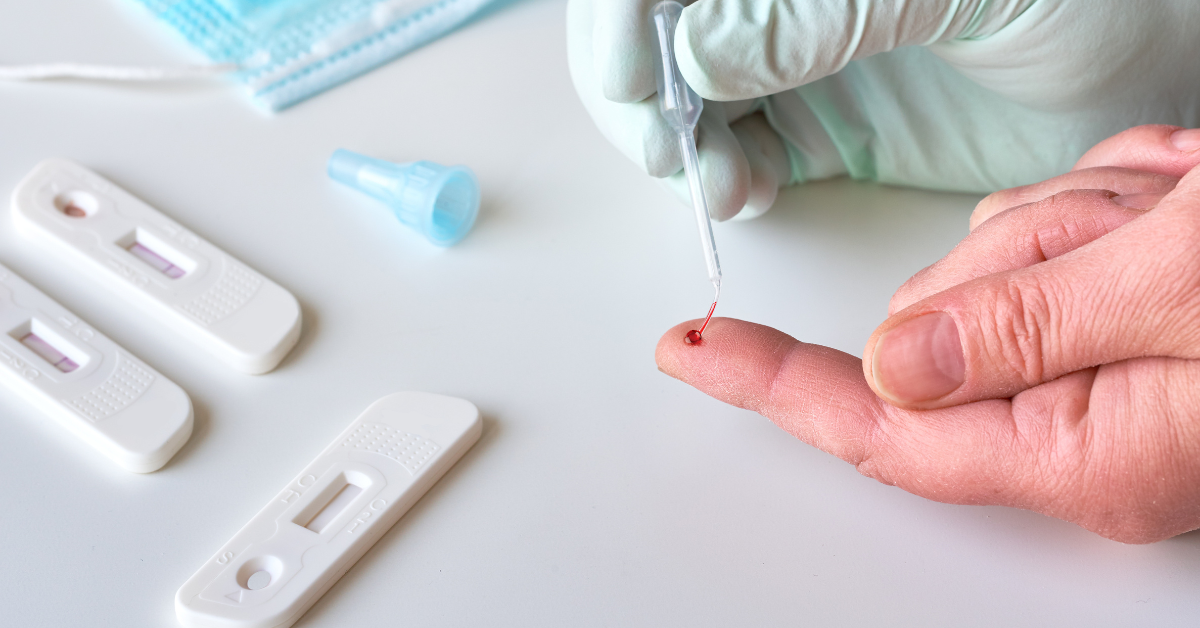
In recent months, TikTok has become a hub for health enthusiasts and influencers promoting at-home finger-prick hormone tests. These short videos often showcase individuals pricking their fingers, collecting a small blood sample, and sending it off to a lab, all in the name of gaining insights into their hormonal health.
This blood test craze has sparked curiosity but also concerns about misinformation and unnecessary anxiety. As the trend gains momentum, it’s essential to delve deeper into the science and reliability behind these tests.
Understanding Finger-Prick Hormone Tests
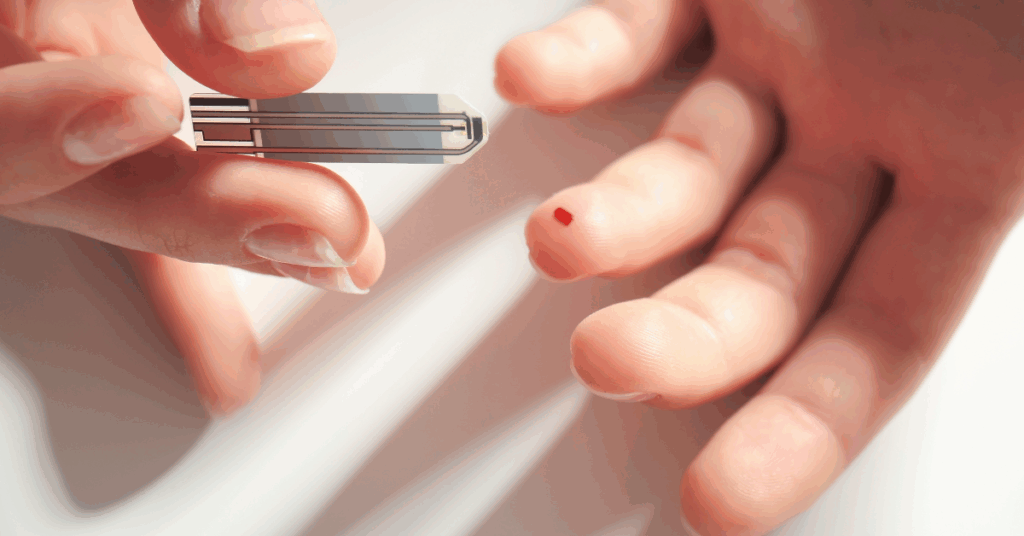
Finger-prick tests, also known as capillary blood tests, involve collecting a small blood sample from the fingertip. This method has been widely used for monitoring glucose levels in diabetic patients. However, its application in hormone testing is relatively new and has garnered mixed reviews from the medical community.
A study published in the Journal of Clinical Laboratory Analysis found that traditional blood draws from the arm were nearly 19% more consistent in measuring testosterone levels than finger prick tests.
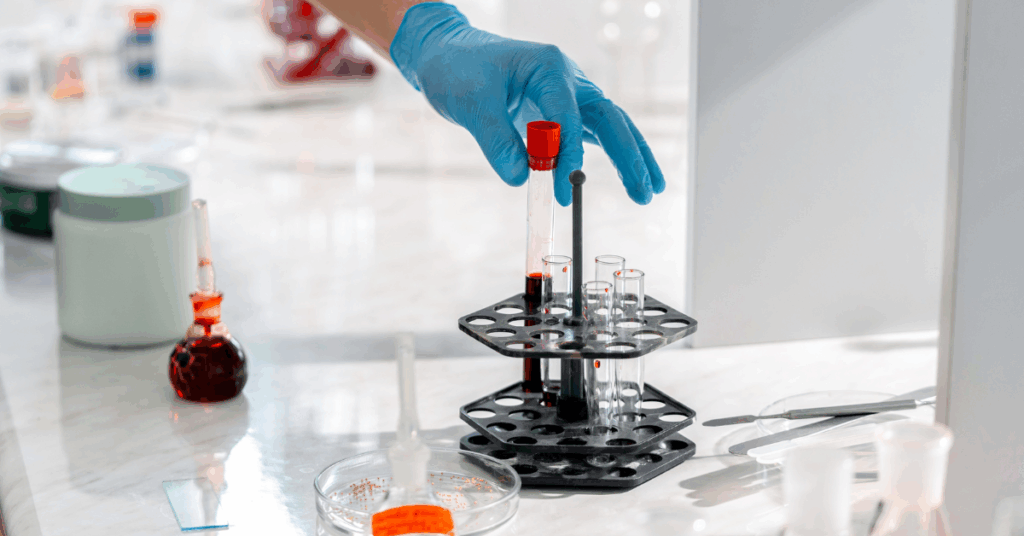
Furthermore, 24% of finger-prick samples required recollection due to quality issues, compared to only 2.8% of laboratory venous samples. The researchers concluded that “the higher failure rate of capillary sampling introduces both clinical and economic inefficiencies into the diagnostic process”.
The Appeal Of At-Home Testing
The allure of these tests lies in their convenience. They eliminate the need for clinic visits, making them accessible for those with busy schedules or limited mobility. Additionally, they offer a sense of empowerment, allowing individuals to take charge of their health.
However, it’s crucial to approach these tests with caution. Dr Jennifer Martinez, a healthcare economist at UCLA, notes, “When we factor in the costs of repeated testing, delayed diagnosis, and the eventual need for comprehensive laboratory work, the apparent cost advantage of finger-prick testing disappears entirely. In fact, starting with laboratory testing often proves more economical in the total cost of care”.
Accuracy And Reliability Concerns
While some studies have shown promising results regarding the accuracy of finger-prick hormone tests for certain hormones, others highlight significant discrepancies. For instance, a study comparing fingerstick and venipuncture samples for various hormones found a high degree of concordance between the two methods. However, the study also emphasised the importance of using FDA-cleared immunoassays and proper sample handling to ensure accuracy.
Moreover, factors such as the time of day, recent food intake, and stress levels can influence hormone levels, potentially skewing results. Therefore, interpreting these tests without professional guidance can lead to misdiagnosis or unnecessary anxiety.
Regulatory Oversight And Quality Control
One of the primary concerns with the surge in at-home hormone testing is the lack of stringent regulatory oversight. In the UK, for example, the United Kingdom Accreditation Service (UKAS) provides accreditation to laboratories but is not a regulatory body. This means that many private labs offering these tests may not adhere to standardised protocols, raising questions about the reliability of their results.
The Role Of Healthcare Professionals
While at-home tests can offer preliminary insights, they should not replace consultations with healthcare professionals. Hormonal imbalances can be complex, and interpreting test results requires a comprehensive understanding of the individual’s medical history, symptoms, and other diagnostic tests.
Dr Sarah Jordan, an OB-GYN specialist, emphasises the importance of professional interpretation: “It’s okay for the patient to bring the results, and I tell everyone, ‘Do not dismiss your patients,’ but it is important that physicians are the ones who interpret those results”.
The TikTok trend of at-home finger prick hormone testing underscores a growing desire for accessible and proactive health management tools. While these tests offer convenience, it’s essential to recognise their limitations and the potential risks of misinterpretation.
Individuals considering these tests should consult with healthcare professionals to ensure accurate diagnosis and appropriate treatment. As with many health trends, a balanced approach that combines innovation with medical expertise is key to achieving optimal health outcomes.