
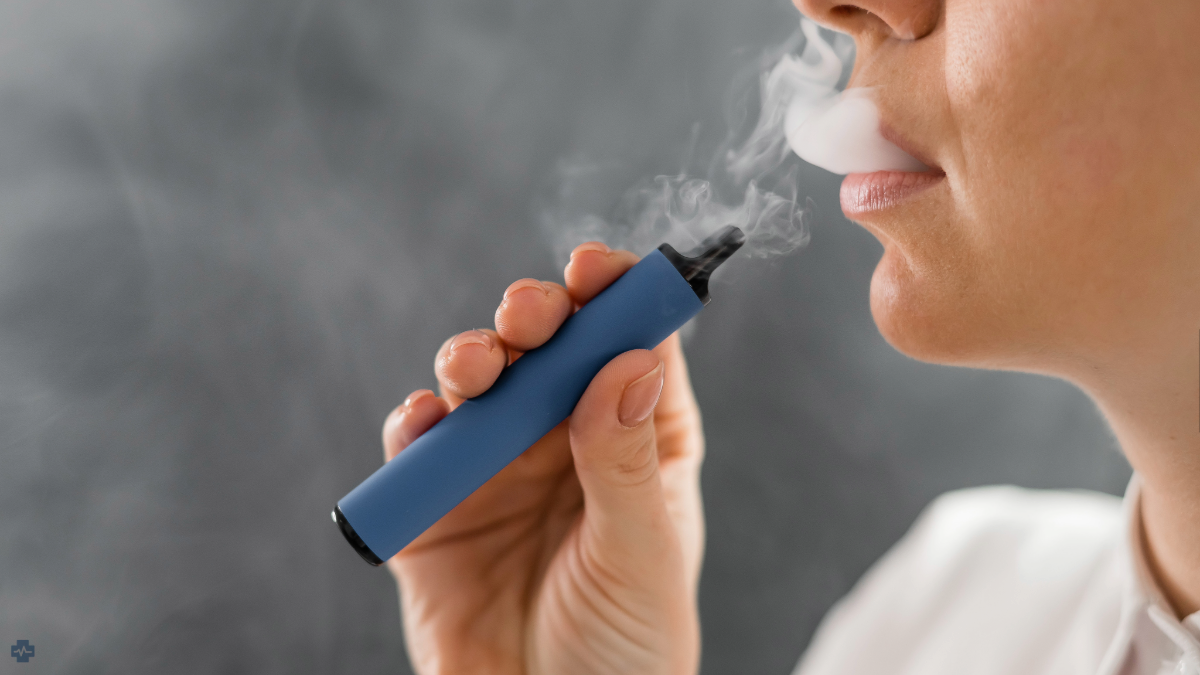
The UK’s Tobacco and Vapes Bill is currently advancing through Parliament. A bill heavily focused on tightening the regulatory grip around vaping products. Notably including a controversial ban on disposable vapes scheduled for June 2025. Although major health organisations endorse the bill, many in the public perceive it as an overreach. This is yet another instance of governmental intrusion that unfairly demonises a practice significantly less harmful than traditional smoking.
Despite vaping’s clear role as a much safer alternative to smoking, recent public discourse, fuelled in part by sensationalist media coverage, has cast it unfairly as an imminent health crisis. What a reach that is. It’s vital to contextualise the risks accurately. While vaping is not without its concerns, particularly regarding nicotine addiction and some respiratory irritation, these issues pale in comparison to the well-documented, catastrophic health consequences of cigarette smoking.
Alarmist discussions often reference rare conditions such as EVALI (E-cigarette or Vaping Use-Associated Lung Injury), largely linked to black-market THC cartridges. This is misrepresenting these exceptional cases as representative of regulated vaping products.
This selective portrayal fuels unnecessary panic, overshadowing the overwhelming consensus that vaping is dramatically safer than combustible tobacco. Unlike smoking, which kills approximately 78,000 people annually in the UK alone, vaping has yet to be conclusively linked to widespread, severe health outcomes. Let alone mass deaths.
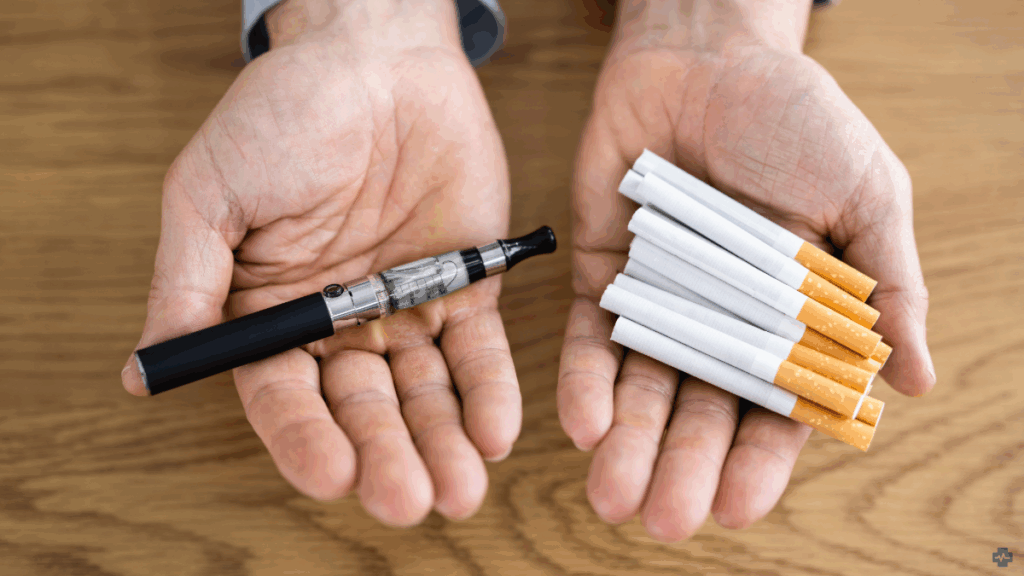
Claims about the addictiveness of vaping overlook the fundamental reason why vaping exists in the first place. It is a smoking cessation aid. While nicotine addiction remains a legitimate concern, especially among young users, it’s critical to differentiate between addiction and harm. Vaping provides smokers with a significantly less damaging nicotine delivery method. This substantially reduces exposure to carcinogens and harmful tar found in cigarettes.
The government’s sweeping measures risk inadvertently steering current smokers away from a proven harm reduction method. And we have to ask ourselves why. The impending disposable vape ban, coupled with aggressive restrictions on flavours, packaging and marketing are designed to deter adult smokers from making the critical switch to vaping.
Experts warn that excessive regulation undermines vaping’s primary function as a smoking cessation tool, potentially prolonging tobacco addiction rather than curtailing it. And things get even more confusing.
Recent studies illustrate these concerns. Research supported by Cancer Research UK and published in the journal Addiction indicates that vaping rates stabilised naturally after government announcements. They are suggesting that further harsh measures might be excessive or even counterproductive. Dr Sarah Jackson from UCL cautions explicitly against overly stringent regulations, noting that they could discourage smokers from transitioning to the significantly safer vaping alternative.
In the well-intentioned but increasingly hysterical crusade against vaping, legislators and health advocates risk losing sight of public health’s ultimate goal, which is reducing smoking-related deaths. Policies must be guided by evidence and proportional risk assessment. Not moral panic or sensationalist headlines. Overregulation threatens to undermine a key harm reduction strategy, potentially reversing the impressive public health gains already achieved through vaping.
Instead of demonising vaping, policymakers should embrace balanced regulations that protect youth while unequivocally supporting vaping’s critical role in tobacco harm reduction. Misguided bans and excessive restrictions do little more than endanger public health by discouraging smokers from adopting a scientifically validated healthier alternative.