
Close Menu

    Subscribe to Updates

    Get the latest creative news from FooBar about art, design and business.

    Facebook X (Twitter) Instagram
    Wednesday, June 3
    Diagnostic Vision
    Facebook X (Twitter) LinkedIn
    • Medical News
    • Fitness
    • Nutrition
    • Health Tech
    • Wellness
    • Diagnostics
    • Psychology
    • Research
    Diagnostic Vision
    Home - Shocking Discovery: CT Scans Maybe Responsible For Causing Cancer  
    Diagnostics

    Shocking Discovery: CT Scans Maybe Responsible For Causing Cancer  

    103,000 new cancer cases annually attributed to the scan
    By Alice JonesMay 26, 20253 Mins Read
    Facebook Twitter Pinterest LinkedIn Tumblr Email
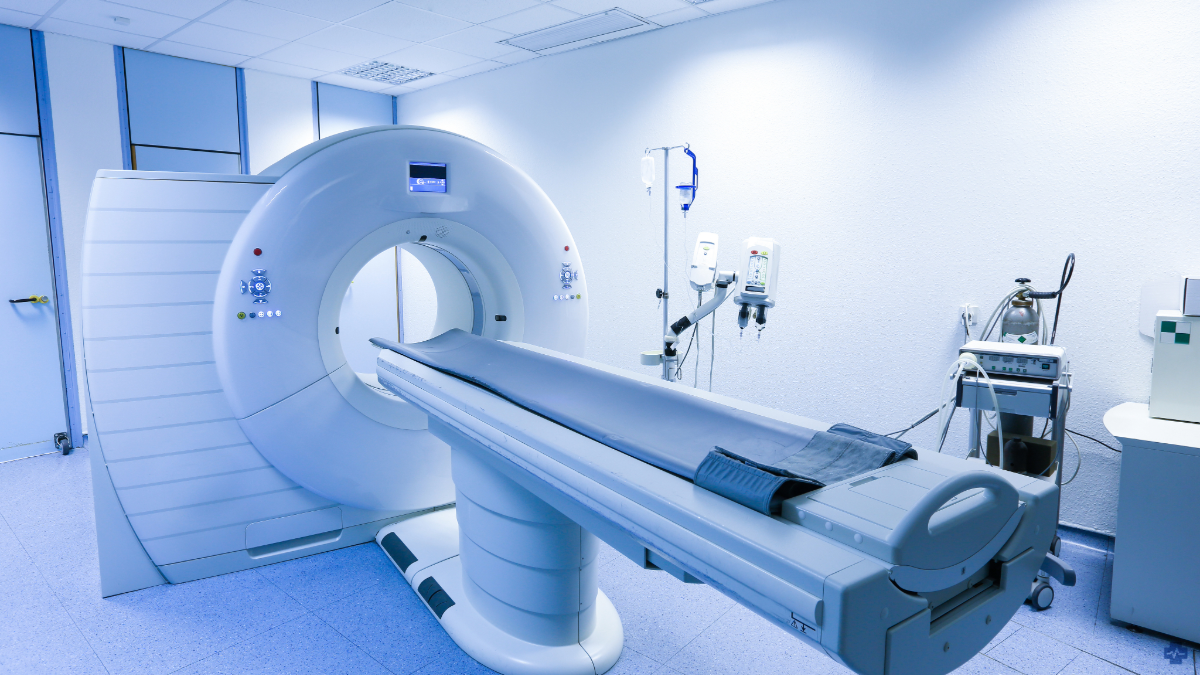
    CT Scan cancer link
    Share
    Facebook Twitter LinkedIn Pinterest Email Copy Link

    A shocking link between computed tomography (CT) scans and cancer has been announced with breaking news reports claiming that CT scans might be responsible for up to 103 000 new cancer cases annually, including 9 700 in children.

    These figures are based on a study by the Institute of Cancer Research in London and published in the JAMA Internal Medicine journal. CT scans are commonly used for medical diagnosis and study in the U.S., UK and abroad. 

    CT is frequently lifesaving, yet its potential harms are often overlooked, and even very small cancer risks will lead to a significant number of future cancers given the tremendous volume of CT use in the United States.

    According to a New York Times Post, this high incidence of CT scan-correlated cancers accounts for as much as 5 percent of all cancers in the U.S. “If current practices persist, CT-associated cancer could eventually account for 5% of all new cancer diagnoses annually,” the researchers state in JAMA internal Medicine. This percentage is comparable to cancer cases caused by alcohol. 

    “Just when we think that CT scans are beneficial in detecting cancer, they are put on equal footing with alcohol drinking when it comes to cancer risk,” says an article in the Tech Times.

    Who Is At Risk?

    CT scans have been increasingly used as a means of diagnosing and studying cancer for treatment purposes. In 1980, 3-million CT scans were implemented in the U.S. Only 44 years later, this figure has risen substantially to 93-million scans annually in the U.S.

    Reports say that currently 62 million patients undergo a CT scan each year in the U.S alone.

    The risk of CT scans causing cancer is estimated to be higher for adolescents and for children. However, adults account for a higher number of the projected cancer cases in the study, according to the researchers. This is because adults are more likely to have to have CT scans in the first place, and have a greater exposure rate. 

    The CT scans which appear to result in the highest cancer risks include the pelvis and abdomen CT scans. This is followed by the chest CT scans. The most common cancers identified by the study include leukemia and bladder cancer, as well as lung and colon cancer.
    In females, breast cancer was also common.

    A Call For Stricter CT Scan Protocol

    Medical professionals praise CT scans for their necessity in the diagnoses of many serious conditions, cancer being one of these. They have been called quick, accurate, and affordable. Their usefulness and effectiveness, says the reports, is ‘woven into the fabric of modern medicine.’

    The reason for the cancer link has been pinpointed to radiation levels. As a result, researchers and health officials have been urged to adopt stricter protocols and better education, reducing preventable cancers linked to CT radiation.

    ‘While CT aids diagnosis, leading to improved outcomes, it also exposes patients to ionizing radiation at levels known to be associated with increased cancer risk,” says the JAMA Internal Medicine report.
    The researchers recommend: “Justification of use and optimization of dose, including consideration of the need for multiphase examinations, are the tenets of CT imaging and must be applied uncompromisingly to mitigate potential harm.’

    Share. Facebook Twitter Pinterest LinkedIn Tumblr Email
    Previous ArticleGP Strikes & Pay Disputes: Will Private Practice Become the Norm?
    Next Article U.S. Discontinues Bird Flu Surveillance Amid Ongoing Outbreaks
    Alice Jones

    Alice is a dedicated copywriter with a passion for reading, travelling, and all things health and wellness. Energetic and ambitious, she’s constantly seeking new opportunities to learn and grow. Alice thrives on exploring new places and cultures, and finds joy in the simple pleasure of curling up with a good book. Outside of work and travel, she embraces self-care through healthy eating, regular exercise, and meditating in the great outdoors.

    Related Posts

    Investigating Diagnostic Grey Areas & Nutritional Drivers of Non-Specific Symptoms

    May 15, 2026

    The Future Of Point-Of-Care Diagnostics

    December 29, 2025

    Retinal Imaging: A Powerful New Tool For Detecting Systemic Diseases

    December 15, 2025
    Leave A Reply Cancel Reply

    Don't Miss
    Mental Health

    Anxiety & Depression in Primary Care

    By Diagnostic Vision

    Anxiety & depression are not topics that only concern patients but also doctors. And this is what Dr Sophie Redlin will be talking about.

    From Nanobubbles to Engineered Immune Cells For Cancer

    May 25, 2026

    Antibiotic-Resistant Urinary Tract Infections Rise Across the US 

    May 20, 2026
    Stay In Touch
    • Facebook
    • Twitter
    • LinkedIn
    Trending

    Is Neko Health’s Full Body MOT Scan Healthcare’s Future?

    March 21, 2025

    The Story of Mammography – From Röntgen to AI

    January 3, 2025

    The Expat Guide to Choosing a Private GP in London

    May 1, 2026

    Surge in Private Healthcare in Wales Shows Growing Divide

    September 20, 2024

    Subscribe to Updates

    Get the latest creative news from SmartMag about art & design.

    Demo

    News about Medicine, Diagnostics, Medical Advancements and Pharmaceuticals.

    Useful Links
    • About Us
    • Advertise
    • Contact
    • CT Scanners
    • Mammography Equipment
    • MRI
    • Ultrasound
    • X-Ray Equipment
    Categories
    • Alternative Medicine (3)
    • Diagnostics (23)
    • Fitness & Exercise (9)
    • Healthcare Policy (25)
    • Healthcare Technology (17)
    • Medical News (36)
    • Mental Health (16)
    • Nutrition and Diet (11)
    • Scientific Research (21)
    • Wellness (8)
    LinkedIn
    © 2010 - 2026 Diagnostic Vision.

    Type above and press Enter to search. Press Esc to cancel.